

In force, with a transition
The 2026 edition of Chapter V, Electricity, of Québec’s Construction Code has been in force since March 26, 2026. It adopts the Canadian Electrical Code, amended for Québec. According to the CMEQ, work begun before October 17, 2027 may still follow the 2018 edition: the extension was confirmed on August 26, 2026.
What changes in a house
- A neutral at every switch: every switch location controlling a fixed light fixture must have a neutral conductor. Electronic dimmers, occupancy sensors and smart switches need it, and they can be added later without rewiring.
- Clarified arc-fault rules: most outlet circuits in a dwelling are arc-fault protected, with no more than 10 outlets per circuit. An attached garage follows this rule; for a detached garage, the RBQ recommends it. When outlets are added to an existing circuit, an arc-fault outlet installed as the first added outlet is enough.
- Outlets per circuit: the general 12-outlet limit gives way to an approach based on the actual load; in a dwelling, arc-fault protected circuits remain limited to 10 outlets.
- GFCI outdoors: all ordinary outdoor outlets are protected by a Class A GFCI, block heaters included; only those 2.5 m or more above the ground are exempt.
- Bathrooms: the thermostat can be within 1 m of the tub or shower if it is protected by a Class A GFCI or supplied by Class 2 extra-low voltage, and the sink no longer applies to the control.
- Flood-risk areas: the sump pump outlet must be above the flood level or approved for immersion.
EV chargers
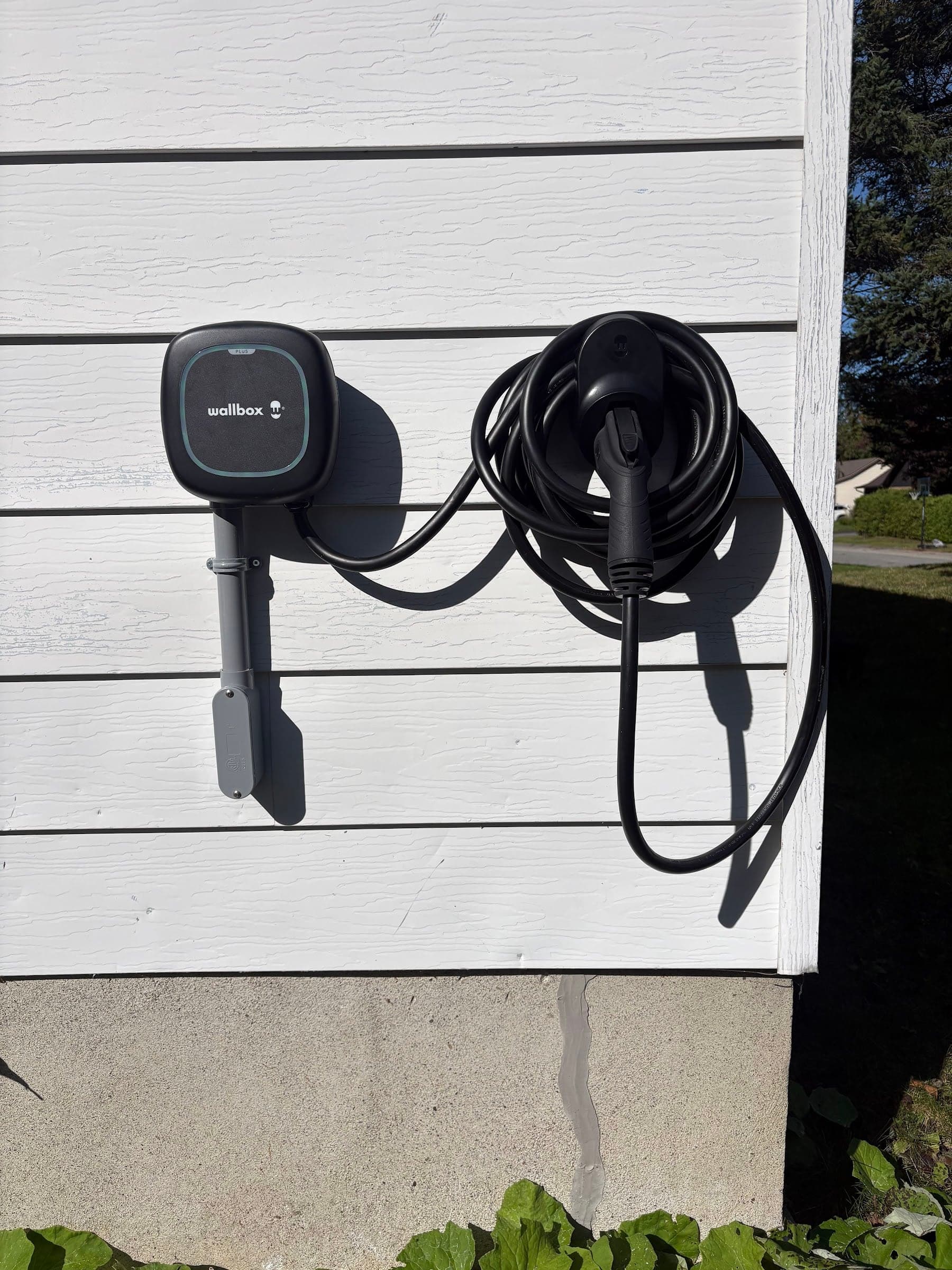
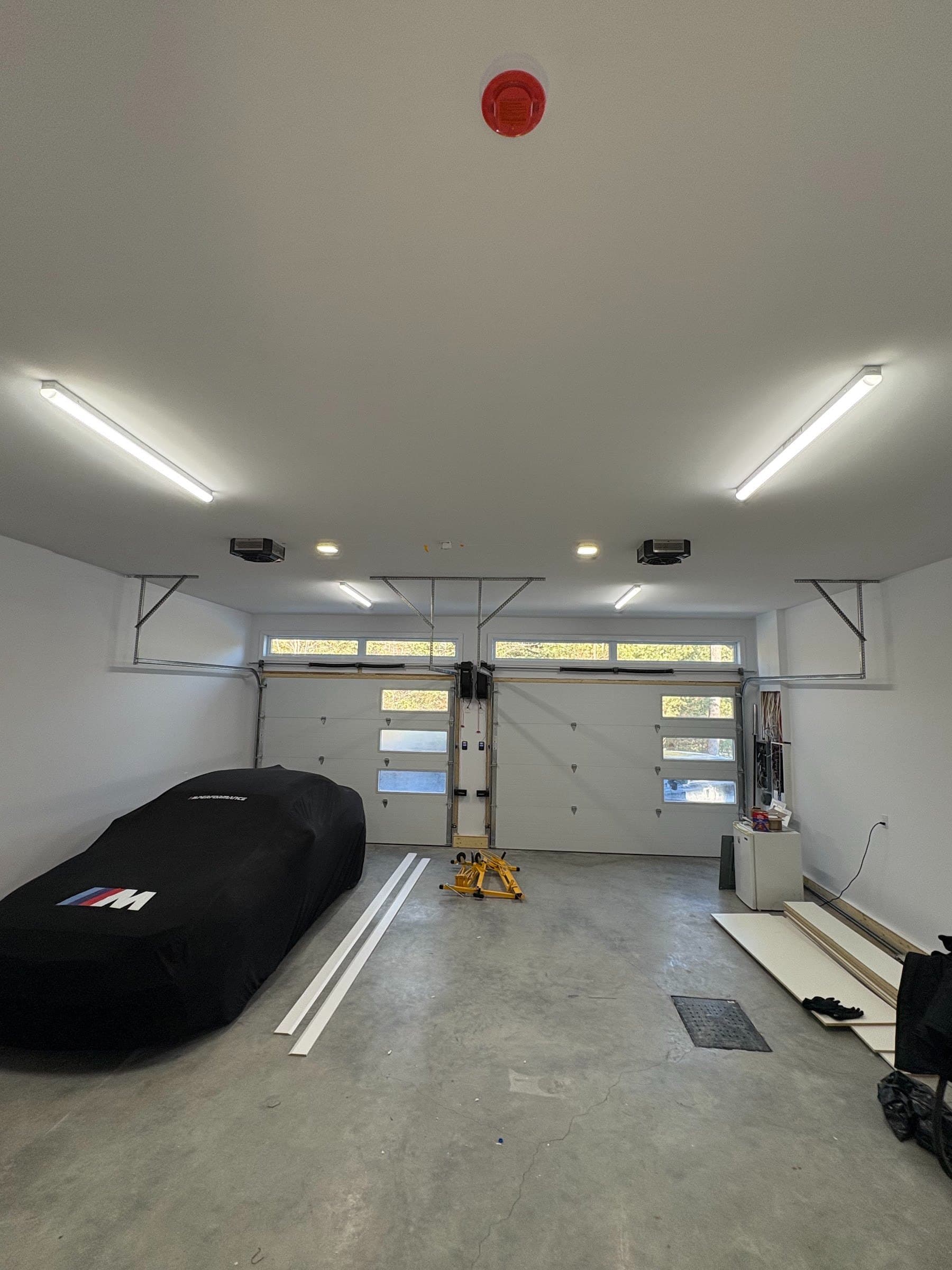
- Since 2018, a new house with a garage, carport or parking space must be ready for a charger: a cable or conduit from the panel to an outlet box. The 2026 Code specifies the capacity, level 2 charging of at least 7.68 kW at 240 V, and extends it to new apartment buildings: every space except visitor spaces.
- The load calculation counts the charger at 100%, unless an electric vehicle energy management system is used. In a new house, it counts it even if it isn’t installed yet.
- A charger outlet carries a label stating its purpose; at 120 V outdoors and within 2.5 m of the ground, it is protected by a Class A GFCI.
What it means for you
The Code applies to work: your house generally doesn’t have to be redone, but what is added or modified follows the edition that covers your project. At LTE Électrique, we tell you in the quote what the Code requires for your work, and we apply it.
Frequently asked questions
- Does my house have to be brought up to the 2026 Code?
- No: the Code applies to work. An existing installation that isn’t touched generally doesn’t have to be redone; what is added or modified follows the Code in force.
- My work starts next year: which edition applies?
- Work begun before October 17, 2027 may follow the 2018 edition, under the extension confirmed on August 26, 2026; after that, only the 2026 edition applies. Your master electrician will confirm it.
- Why a tamper-resistant outlet?
- Its shutters only open when both prongs of a plug go in at the same time: a child can’t push an object inside. They have been required in dwellings since the 2018 edition, and the 2026 Code keeps them.
Sources
- Modifications réglementaires en électricité, Régie du bâtiment du Québec, checked on October 20, 2026
- Cahier explicatif sur les principaux changements au chapitre V, Électricité (édition 2026)PDF, Régie du bâtiment du Québec, checked on October 20, 2026
- Code de construction, Chapitre V - Électricité 2026, Corporation des maîtres électriciens du Québec, checked on October 20, 2026
- Prolongation de la période transitoire en électricité, Corporation des maîtres électriciens du Québec, checked on October 20, 2026
About this guide
Written by LTE Électrique, a master electrician’s business in Sherbrooke (RBQ licence 5874-5597-01, CMEQ member). Every rule comes from Québec’s Construction Code or an official source, listed above with the date it was checked. French version reviewed by William Letendre, master electrician, on October 21, 2026.
About usCite this guide
To cite this guide, use its title, author and address:
“The 2026 electrical code: what changes for homeowners”, LTE Électrique, https://www.lteelectrique.com/en/guides/electrical-code-2026-what-changes-for-homeowners, French version reviewed by William Letendre, master electrician, on October 21, 2026.