
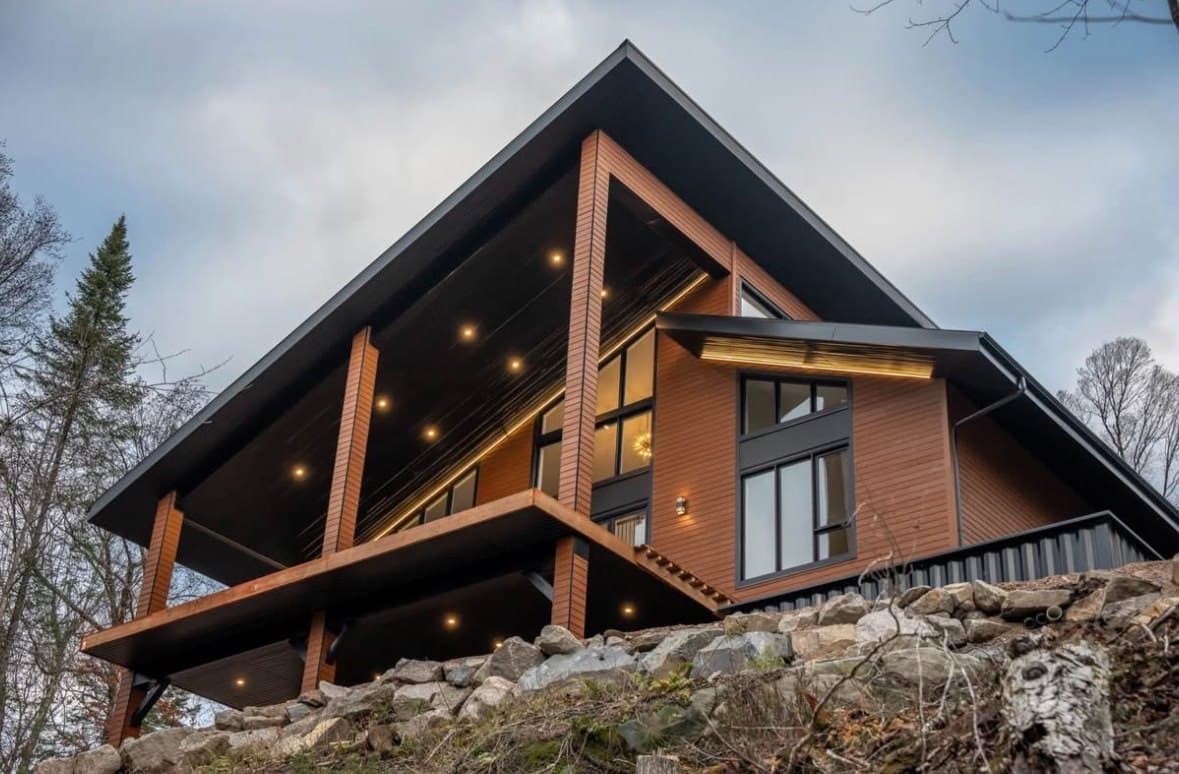
7 guides
Renovation and projects
Kitchen, bathroom, basement, garage, cottage, new house and lighting: the Code’s rules room by room, to plan before opening the walls.
- 7 guides
- 7 reviewed by a master electrician
- Official sources cited
- Free, no sign-up
Rooms of the house
3 guides
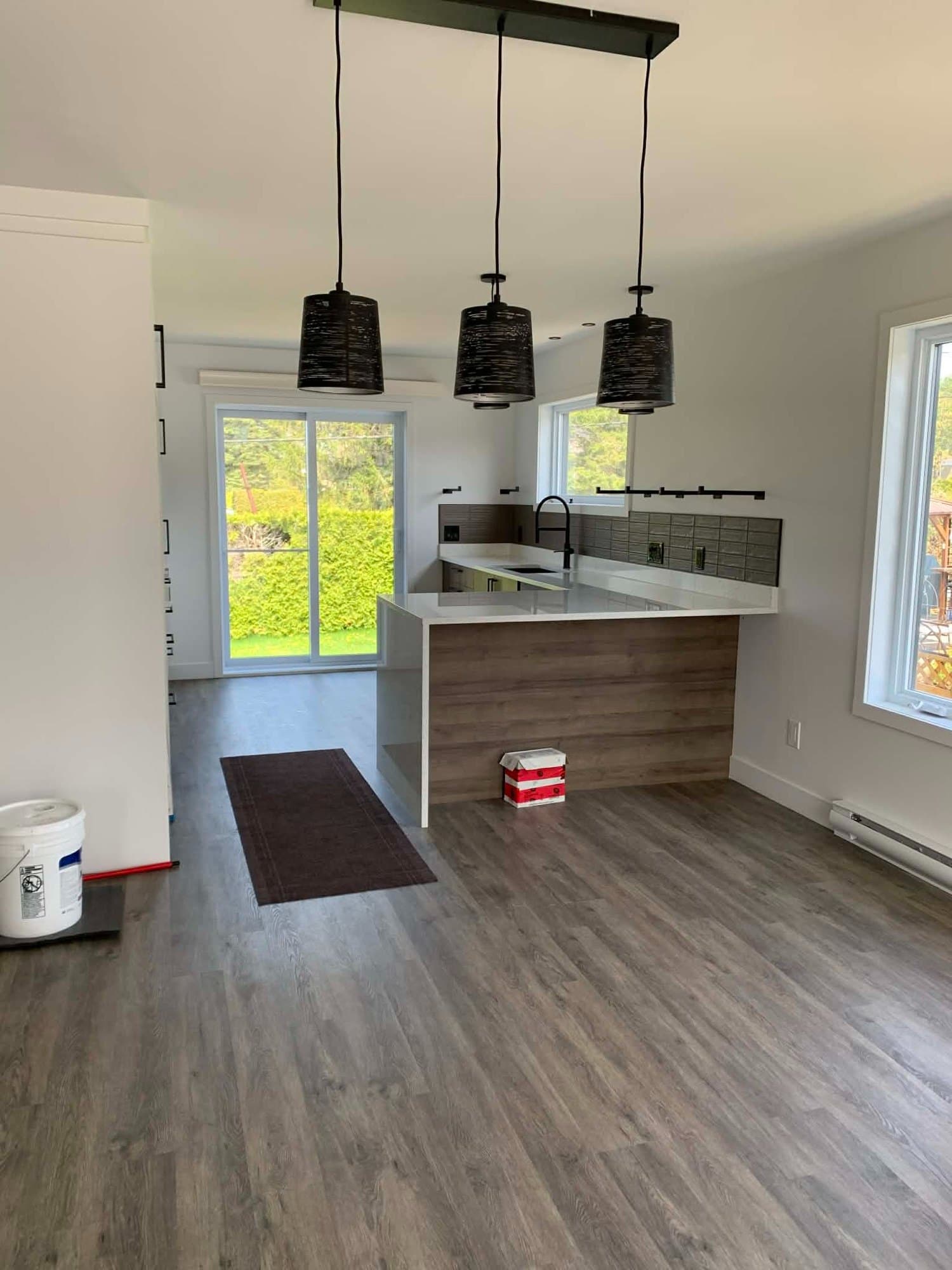
7 min readRenovating your kitchen: the electrical work to plan before opening the wallsA kitchen needs more outlets and circuits than you might think: an outlet within 900 mm of every point along the counter, at least two circuits for the counter, GFCI protection near the sink, a circuit for the fridge and one for the microwave. Add arc-fault protection, tamper-resistant outlets and, since the 2026 Code, a neutral at every switch. Plan it all before the drywall.
- Counter: no point more than 900 mm from an outlet, at least two circuits of two outlets each, and nothing else on those circuits.
- A fixed island gets its outlet, so does a peninsula (unless the wall at its end has one), and never an outlet directly behind or in front of the sink.
- Ordinary outlets within 1.5 m of the sink are protected by a Class A GFCI.
Garage and cottage
2 guides
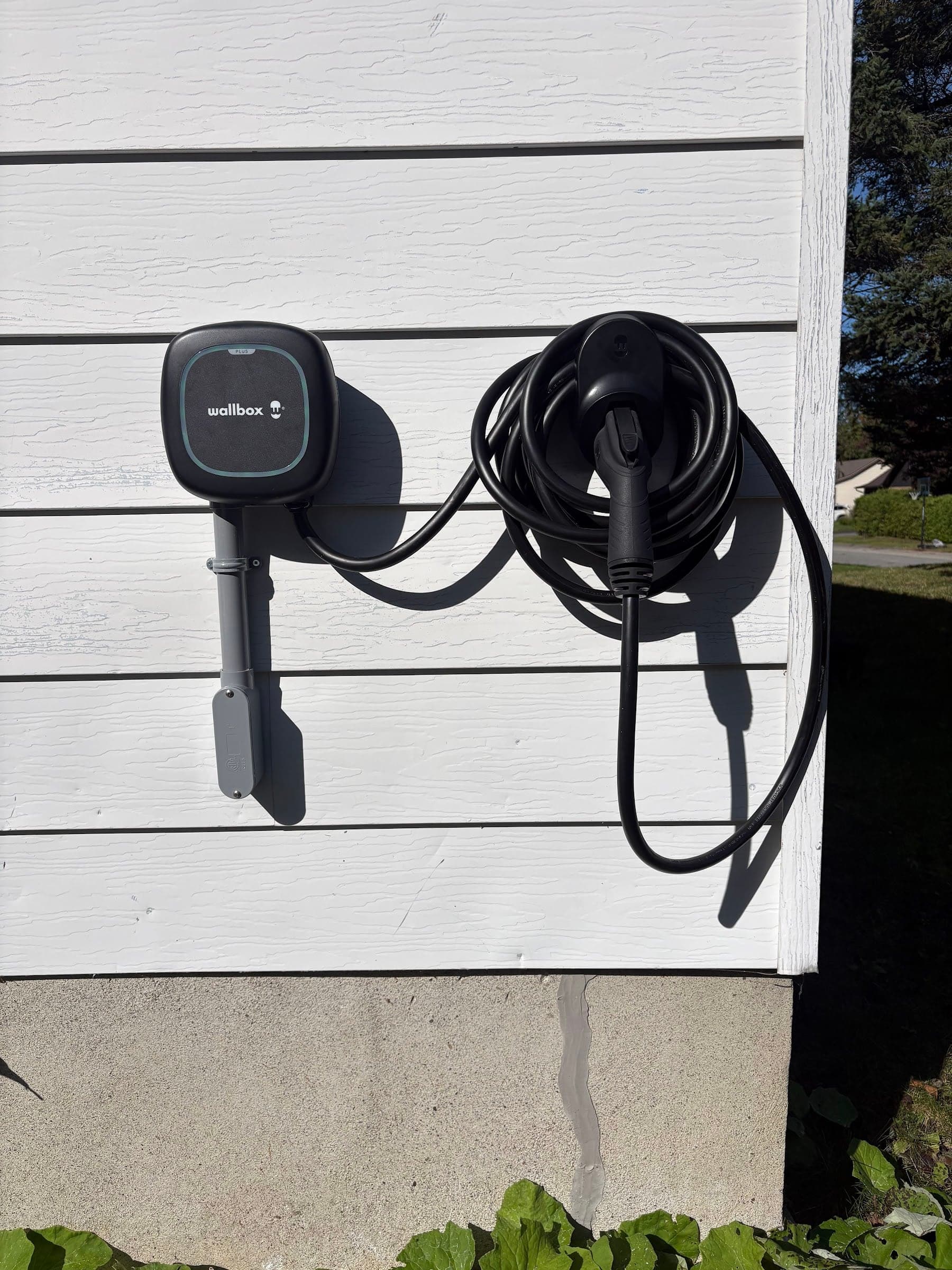
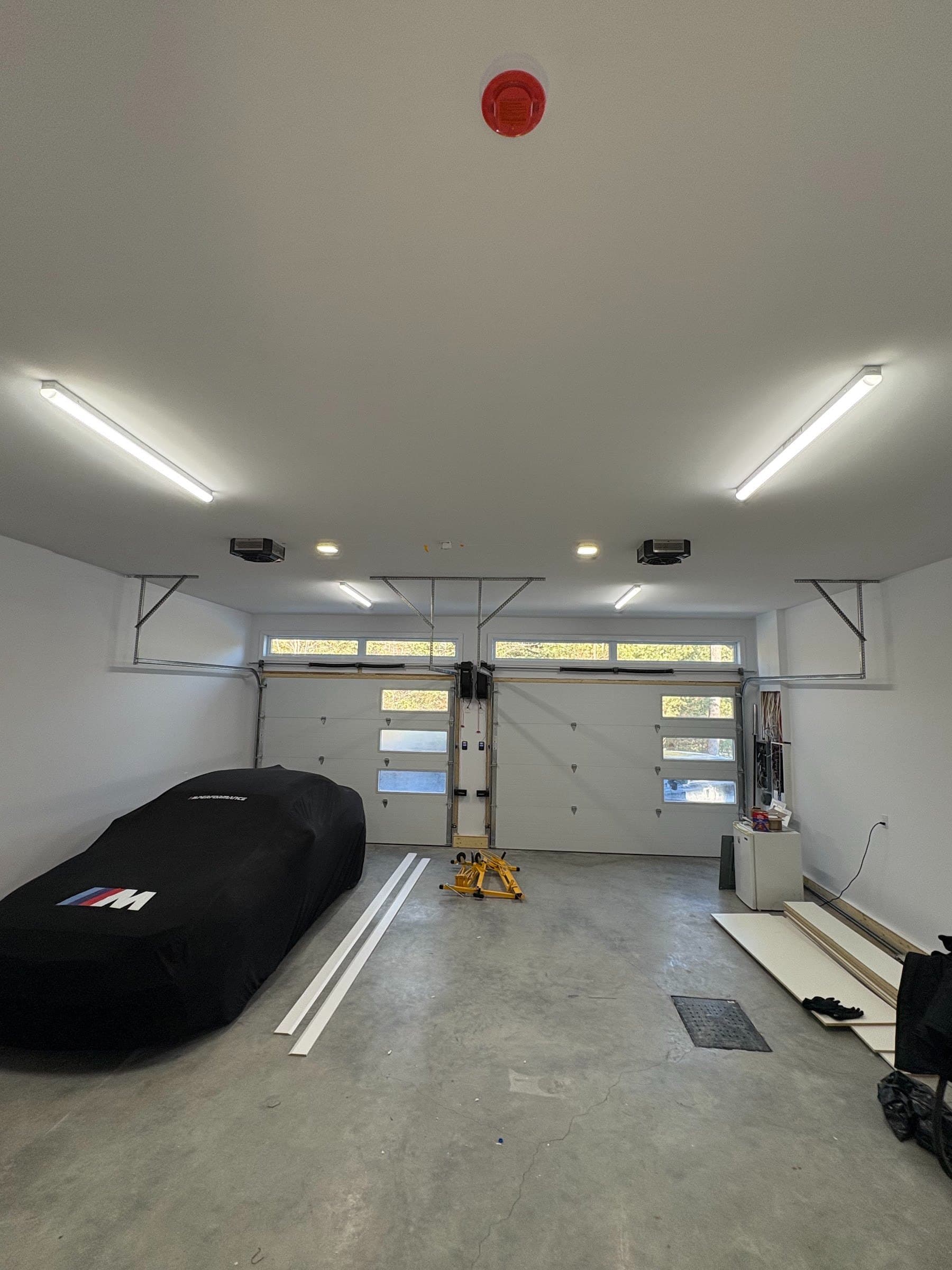
7 min readThe garage: outlets, EV charger, sub-panel and heatingThe Code calls for a duplex outlet for each car space, an outlet near each cord-connected door opener and a circuit reserved for garage outlets. An attached garage follows the dwelling rules, a new house with a garage must be ready for a charger, and a charger outlet has its own rules. Here is everything to plan, from heating to the workshop.
- A duplex outlet for each car space, an outlet within 1 m of each cord-connected door opener, and a circuit reserved for garage outlets.
- An attached garage follows the dwelling rules (arc-fault, tamper-resistant); for a detached garage, the RBQ recommends them.
- A new house with a garage must be ready for a charger: a cable or conduit to an outlet box, for level 2 charging of at least 7.68 kW at 240 V.
New house
1 guide
Lighting
1 guide
Words to know
The whole glossary- Ampere (A)
- The unit of electric current. An electrical service is described in amps (100 A, 200 A), just like a breaker or an EV charger (32 A, 48 A).
- Volt (V)
- The unit of voltage. At home, ordinary outlets are 120 V; large appliances, such as a level 2 EV charger, are connected at 240 V.
- Watt (W) and kilowatt (kW)
- The unit of power: what an appliance draws at a given moment. Watts = volts × amps, and 1 kW = 1,000 W. A 32 A charger at 240 V delivers about 7.7 kW.
- Kilowatt-hour (kWh)
- The unit of energy on your bill: 1 kW for one hour. At Hydro-Québec’s Rate D (April 1, 2026), the first 40 kWh per day cost 7.065¢ and the rest 11.142¢, before taxes.
- Nameplate
- An appliance’s label giving its electrical values (volts, amps or watts). It sets the circuit size, and it gives your appliances’ actual watts for choosing a generator.
- Gauge and rating
- In French, « calibre » means a wire’s size (gauge) or the amp rating of a breaker or a service. The breaker must match the gauge of the wires it protects; a rating that is too high can let the wires overheat.
- GFCI
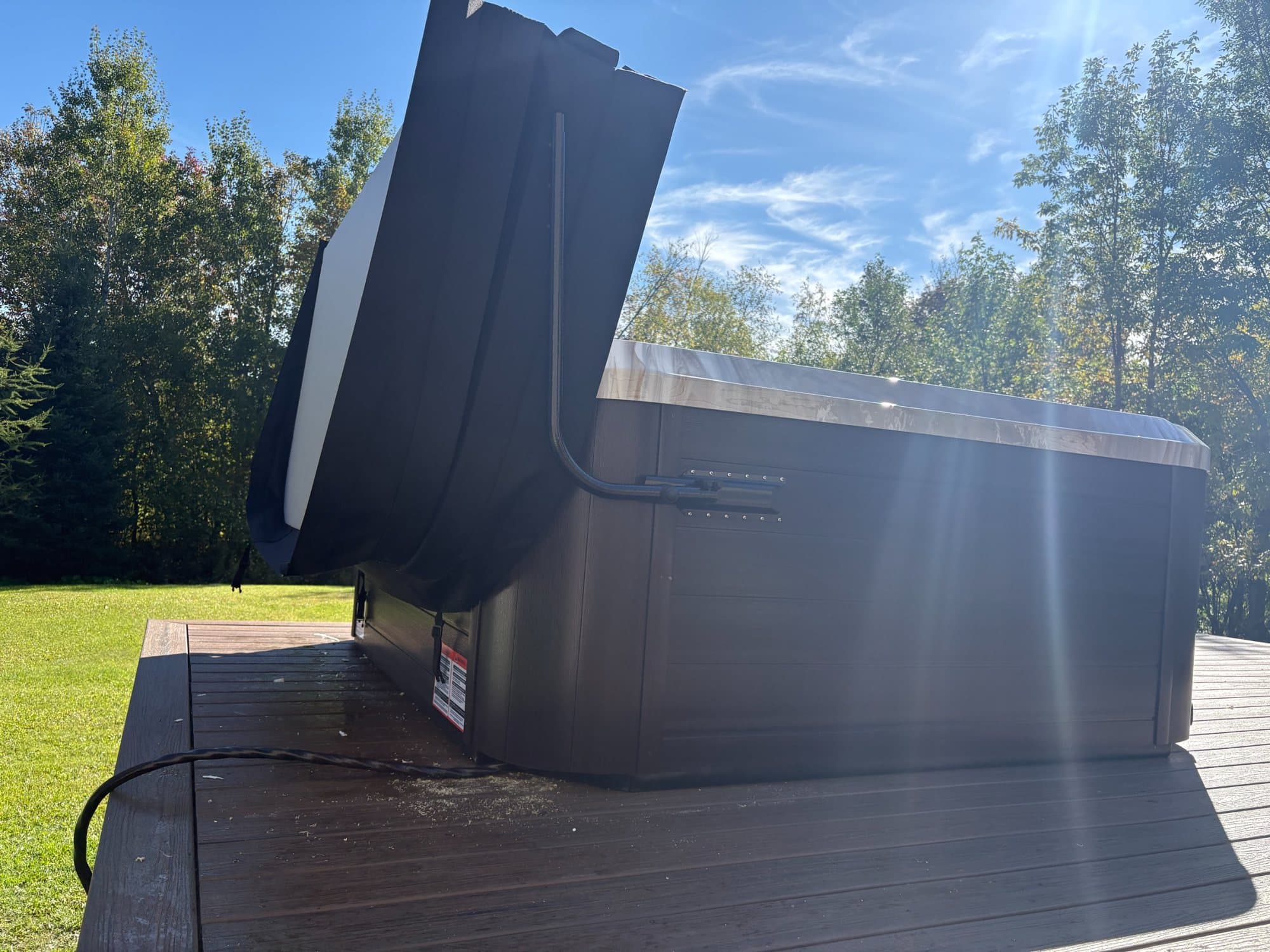
- An outlet or breaker that cuts power in a fraction of a second when current leaks to ground, for example through a person (DDFT in French). The Code requires it near water and outdoors: within 1.5 m of a sink, bathtub or shower, on all outdoor outlets, at the hot tub and at the pool.
- Arc-fault breaker (AFCI)
- A breaker that detects electrical arcs, the small sparks in a damaged wire or a loose connection that can start a fire. The Code requires it for most outlet circuits in living areas, in new work and in renovations that affect those circuits.
In your town
We do this work in Sherbrooke and the surrounding municipalities. Each town page gives the electricity utility and the municipality to contact for permits.
An electrical project?
We call you back the same day.
Call or text 819 570-9836. Free estimate within 24 hours, anywhere in Sherbrooke and the Eastern Townships.
Monday to Friday, 8 a.m. to 4 p.m.
5.0 from 43 Google reviews