
6 guides
Panel and electrical service
Find out whether your 100 A is enough, upgrade to 200 A, replace a fuse panel, choose an overhead or underground service, and know who your utility is.
- 6 guides
- 6 reviewed by a master electrician
- Official sources cited
- Free, no sign-up
100 A, 200 A and load calculation
2 guides
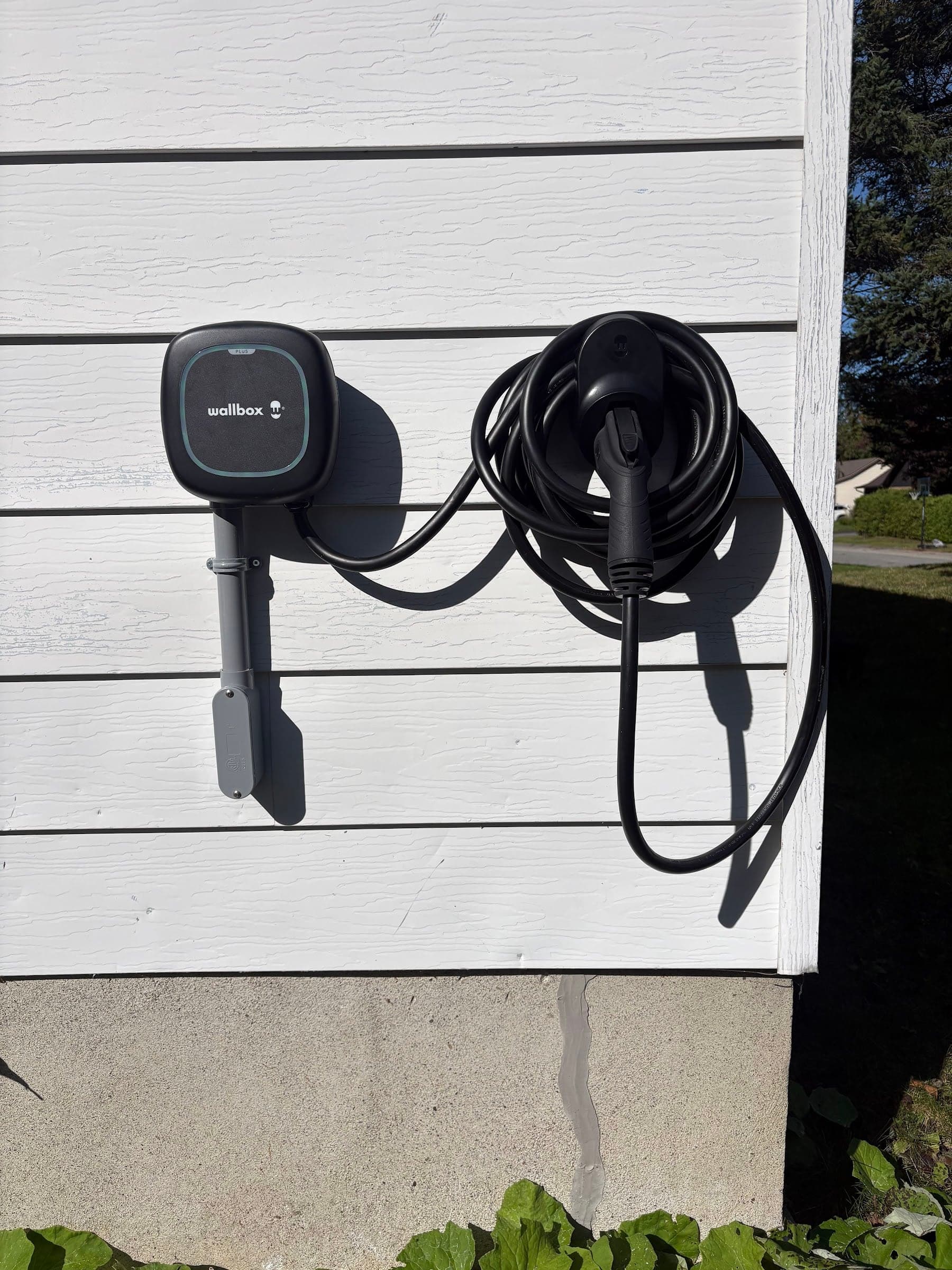
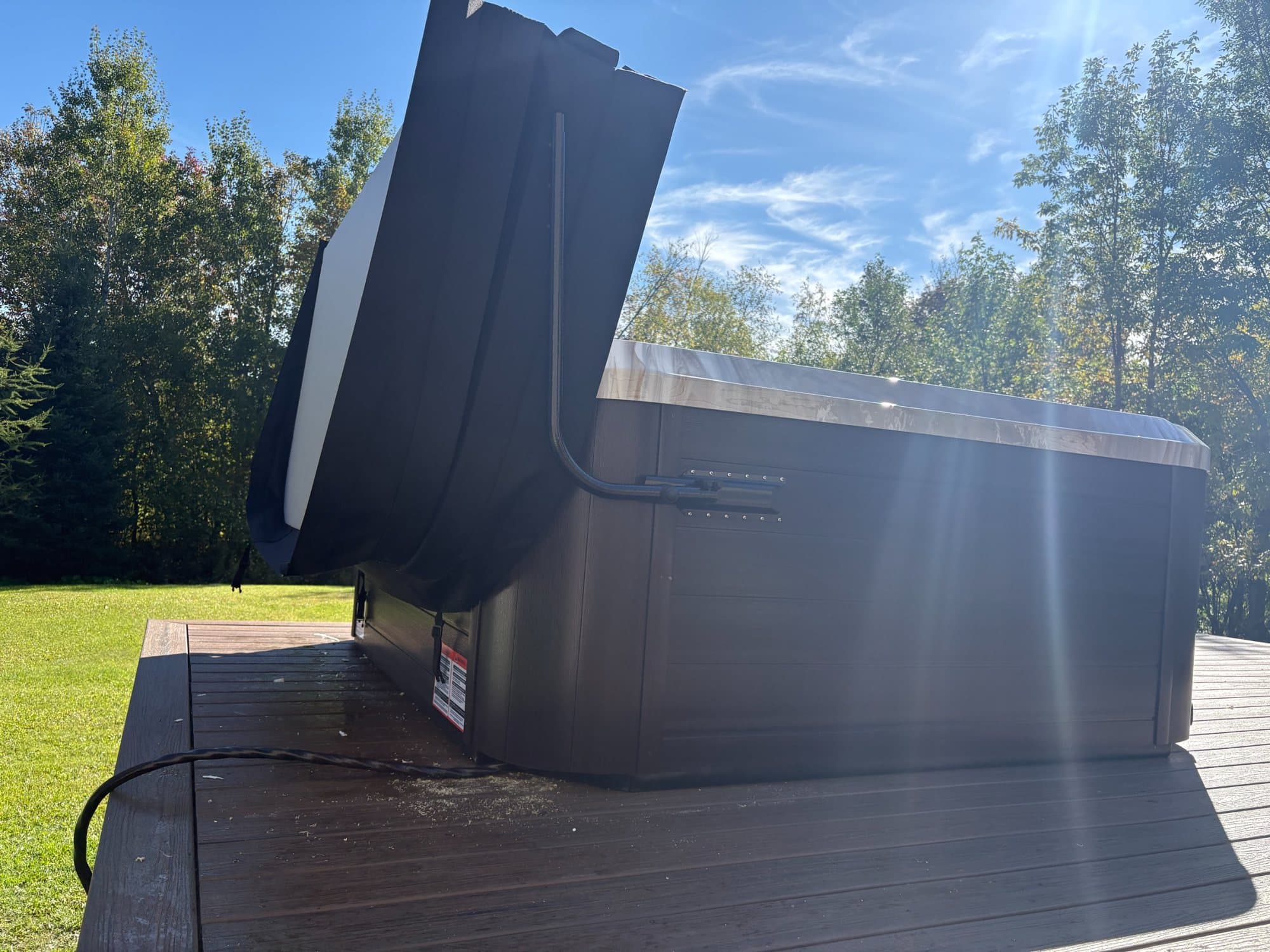
6 min readThe load calculation: is your 100 A enough before you buy an EV charger, a heat pump or a hot tub?The load calculation adds up what your house draws from the grid, following the Code. It tells you whether your 100 A service is enough, or whether you need a sub-panel, load management or a 200 A upgrade. It’s done before adding an EV charger, a heat pump or a hot tub, never after.
- The Code adds a base load according to the living area, then each large appliance with its own percentage.
- The total in watts, divided by 240 V, gives the amps the service must supply.
- Since the 2026 Code, an EV charger counts at 100%, installed or only planned, unless an energy management system is used.
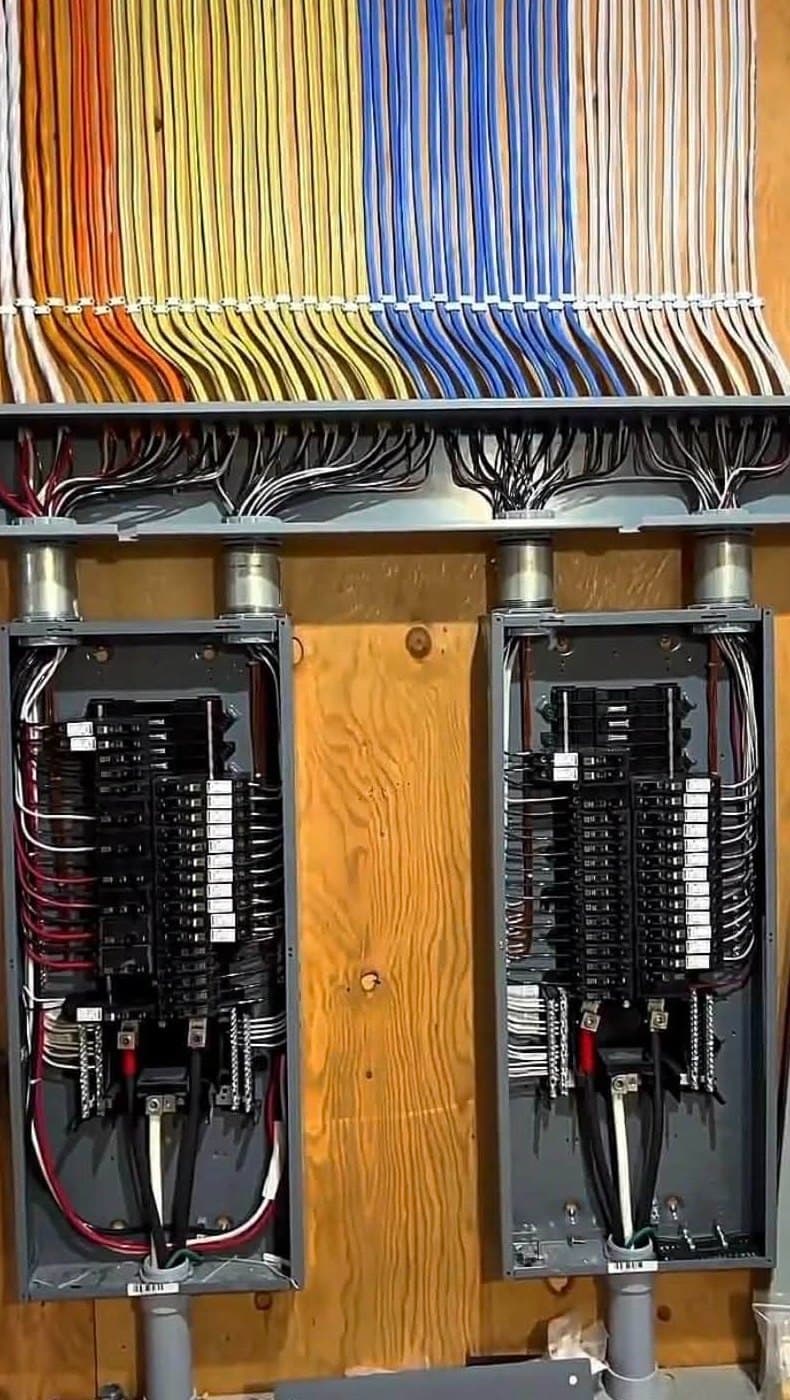
Replacing your panel
2 guides
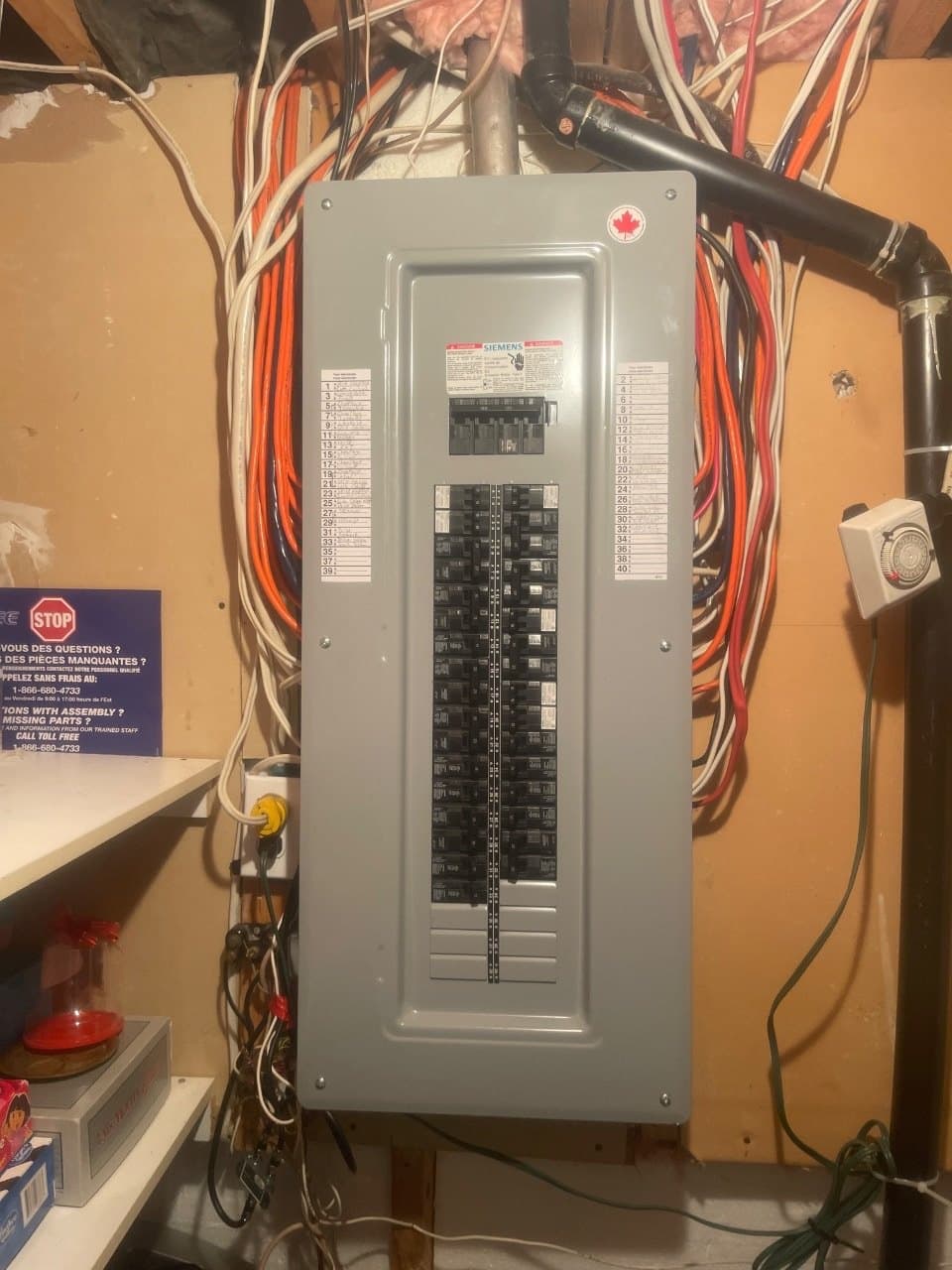
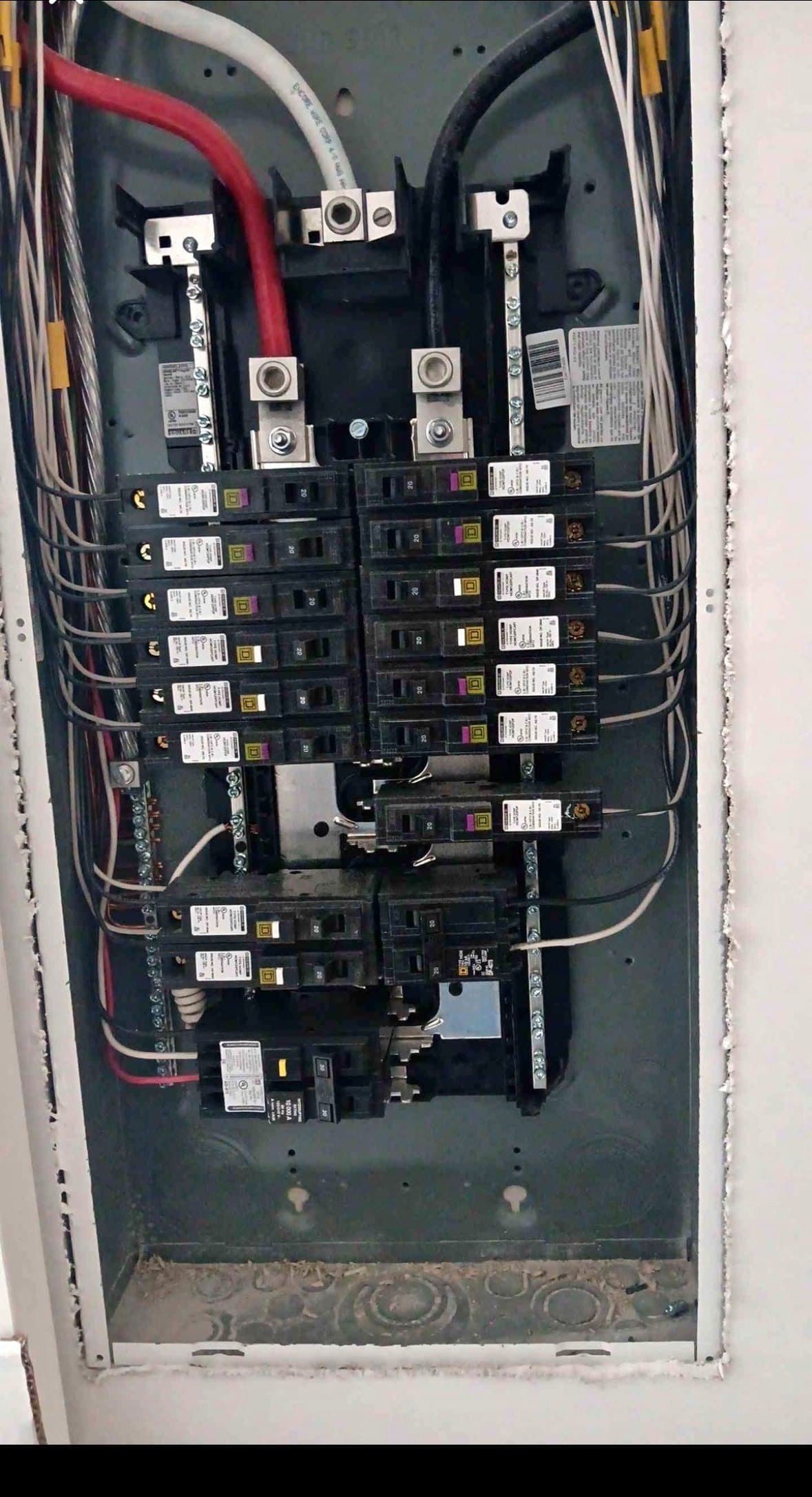
7 min readReplacing your electrical panel: what drives the costNo two panel replacements cost the same: it all depends on the condition of the electrical service, the distance between the meter and the panel, the number of circuits to transfer, the circuits added and whether you upgrade to 200 A. Here is each item, the cases we often see and how to compare two quotes, with no made-up numbers.
- The cost mainly depends on five things: the condition of the electrical service, the distance between the meter and the panel, the number of circuits, the circuits added and access to the panel.
- Upgrading to 200 A changes the electrical service: the utility shuts off and reconnects, and its fees are added according to its conditions.
- The load calculation decides between keeping 100 A, adding load management or a sub-panel, or upgrading to 200 A.
The service and the utility
2 guides
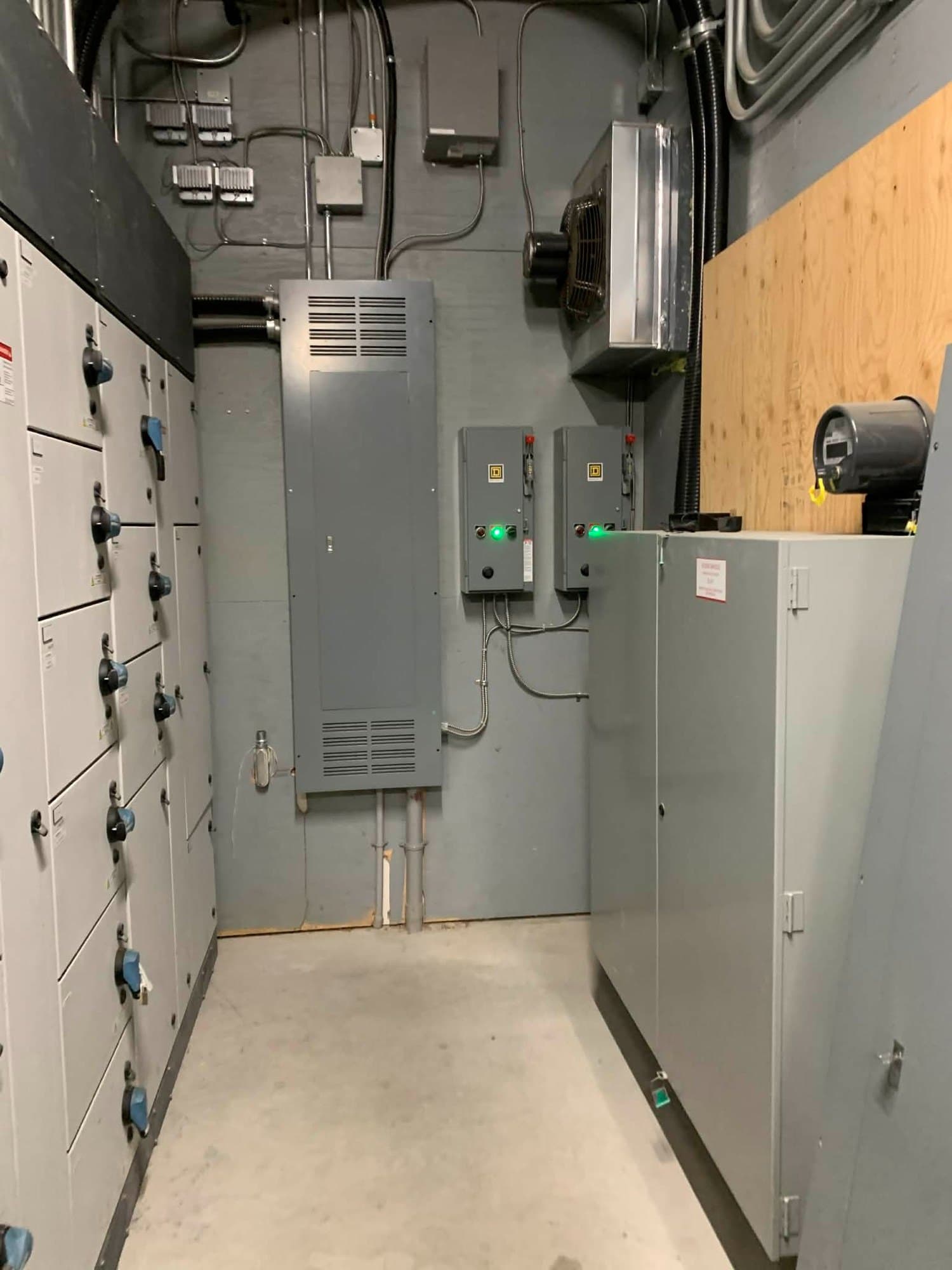
5 min readUnderground or overhead service entrance: how to choose for a new house or a service to redoThe utility’s cable arrives either through a mast on the roof (overhead) or through a trench (underground). Overhead is simpler to install; underground is invisible and safe from branches, but needs a trench, conduits and close coordination. The choice depends on the lot, what the utility offers on your street and your priorities.
- According to Hydro-Québec, the service follows the street line: overhead if it’s overhead, underground if it’s underground.
- If the line is overhead and you want an underground service, it’s at your expense, connected to a pole by agreement.
- The trench and conduits on your lot are at your expense, at installation and at replacement.
Words to know
The whole glossary- Electrical service
- Where the utility’s electricity enters the house: the mast (overhead service) or the trench (underground service), the cable, the meter base and the panel. Its capacity is stated in amps, for example 100 A or 200 A.
- Mast
- The pipe attached to the house where the utility’s overhead cable arrives, then runs down to the meter base and the panel. An underground service has none: the cable comes in through a trench.
- Meter base
- The outdoor box the utility’s meter plugs into, between the mast (or the underground cable) and the panel. It is part of the electrical service.
- Electrical panel
- The box that receives the electrical service and splits it into circuits, each protected by a breaker (or by a fuse, in older panels).
- Circuit breaker
- The automatic switch that cuts a circuit in overload or fault, to protect the wires from overheating. It is chosen for the gauge of the wires it protects: never replace it with a bigger one.
- Fuse panel
- An older panel where fuses protect the circuits. In good condition it is not dangerous in itself, but it often lacks capacity and space, can’t take modern protection, and many insurers ask for it to be replaced.
- Sub-panel
- A second panel, fed by the main panel, that adds room for circuits. It adds no capacity to the electrical service: the load calculation tells whether the service is enough.
- Load calculation
- The sum of what the house draws from the grid, done according to the Code’s rules (section 8-200). It tells whether a 100 A service is enough, or whether you need a sub-panel, load management or an upgrade to 200 A. Do it before adding a charger, a heat pump or a hot tub.
In your town
We do this work in Sherbrooke and the surrounding municipalities. Each town page gives the electricity utility and the municipality to contact for permits.
An electrical project?
We call you back the same day.
Call or text 819 570-9836. Free estimate within 24 hours, anywhere in Sherbrooke and the Eastern Townships.
Monday to Friday, 8 a.m. to 4 p.m.
5.0 from 43 Google reviews