
In short
- Choose an RBQ-certified inspector: the certificate becomes mandatory on October 1, 2027.
- Certified inspectors follow standard BNQ 3009-500, specific to inspections for a real estate transaction.
- The inspector reports what they observe; the master electrician tells you what to do, in what order and at what price.
- Have each electrical point assessed within the inspection period in your promise to purchase.
- Fuse panel, aluminum, 60 or 100 A service, unprotected outlets: each point has its solution.
In this guide
Choose a certified inspector
Since October 1, 2024, the Régie du bâtiment du Québec has issued certificates to inspectors who carry out inspections for real estate transactions. The certificate becomes mandatory on October 1, 2027. It attests to the inspector’s qualifications, integrity and financial guarantees. The RBQ advises having the property inspected before the notary appointment and checking the certificate in its registry.
Certified inspectors follow standard BNQ 3009-500, “Residential Building – Inspection Practices in a Real Estate Transaction Context”. For a house, a duplex or a condo, a class 1 certificate is enough: it covers buildings with one to six private units and any private portion of a condominium.
Electrical points to watch for in the report
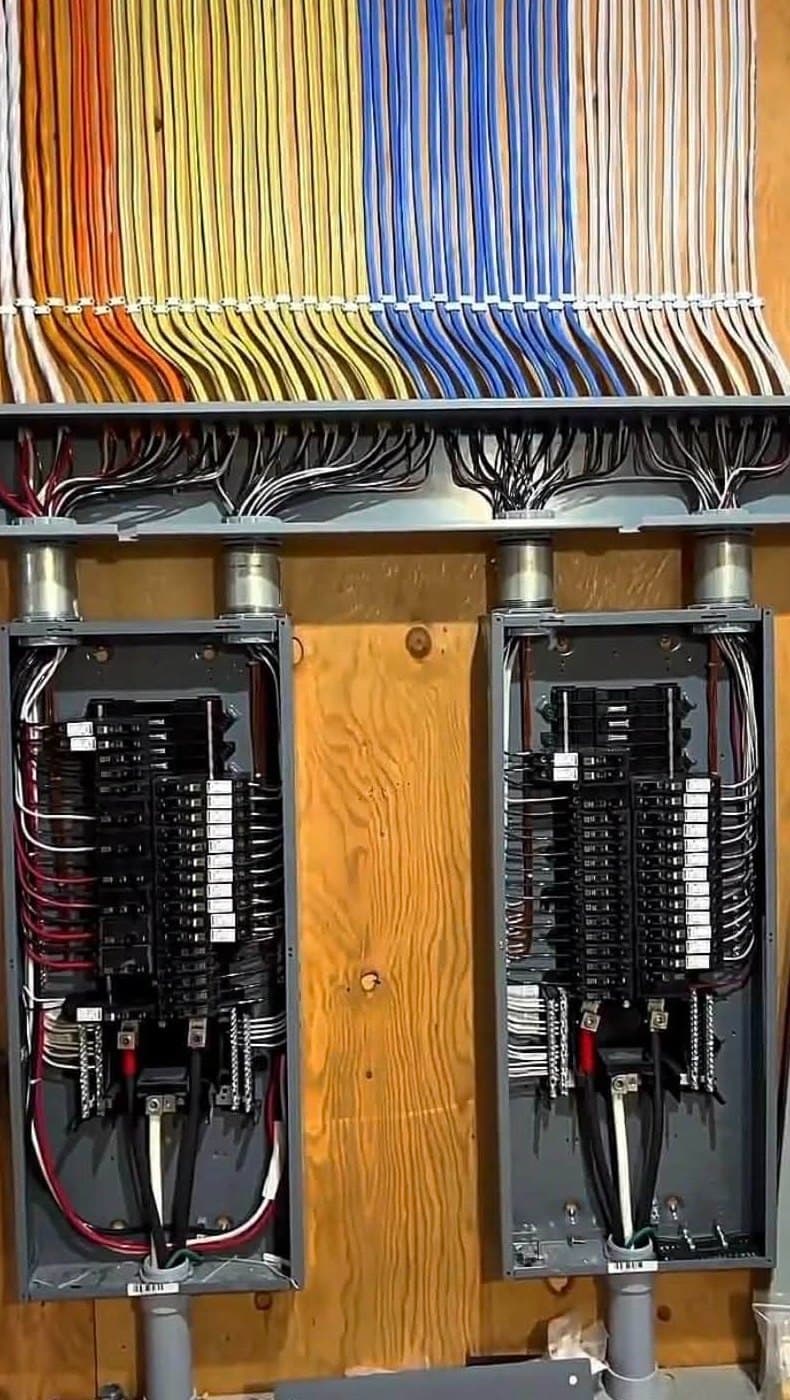
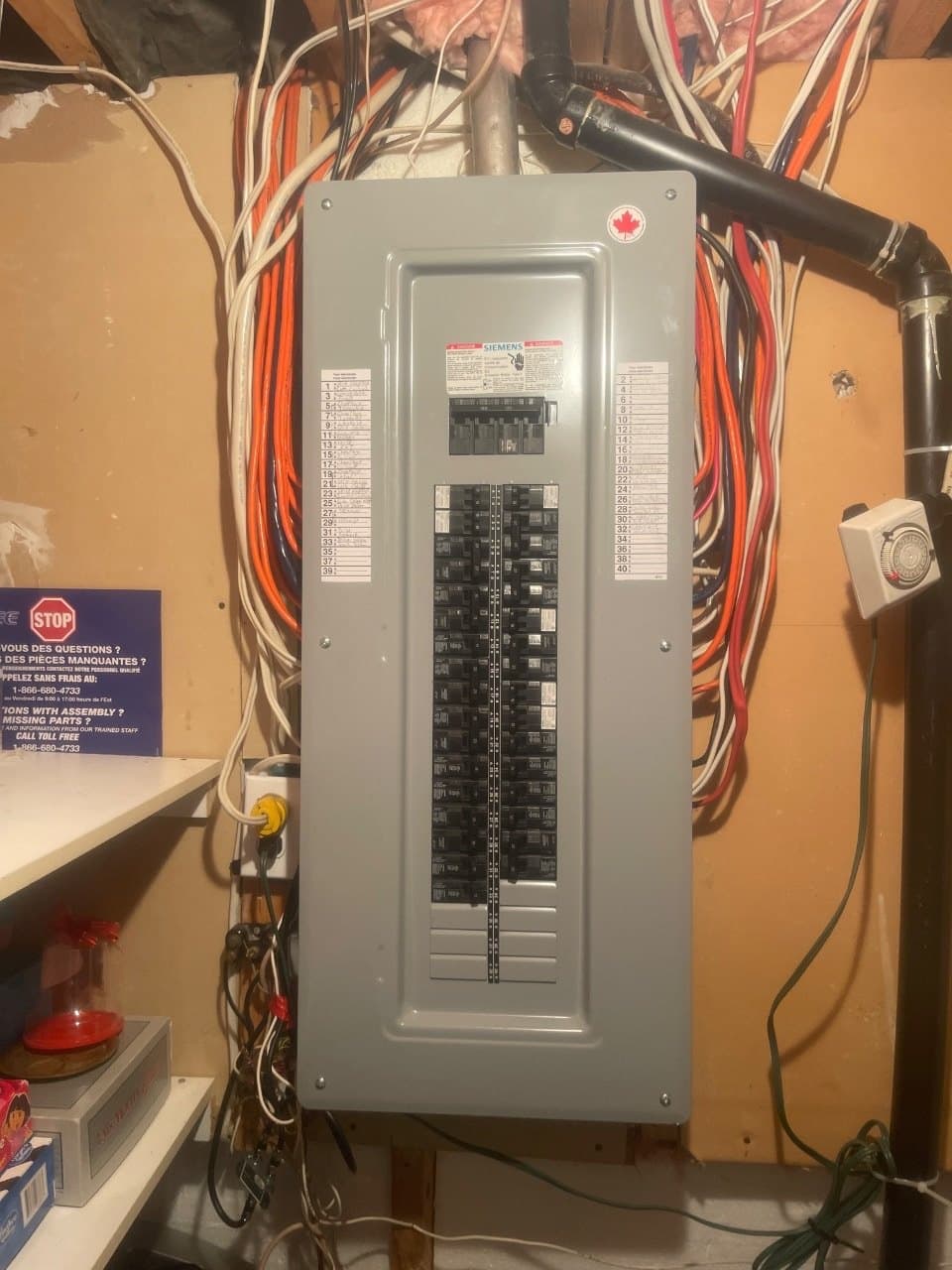
- A fuse panel, or an old panel that is full or runs hot.
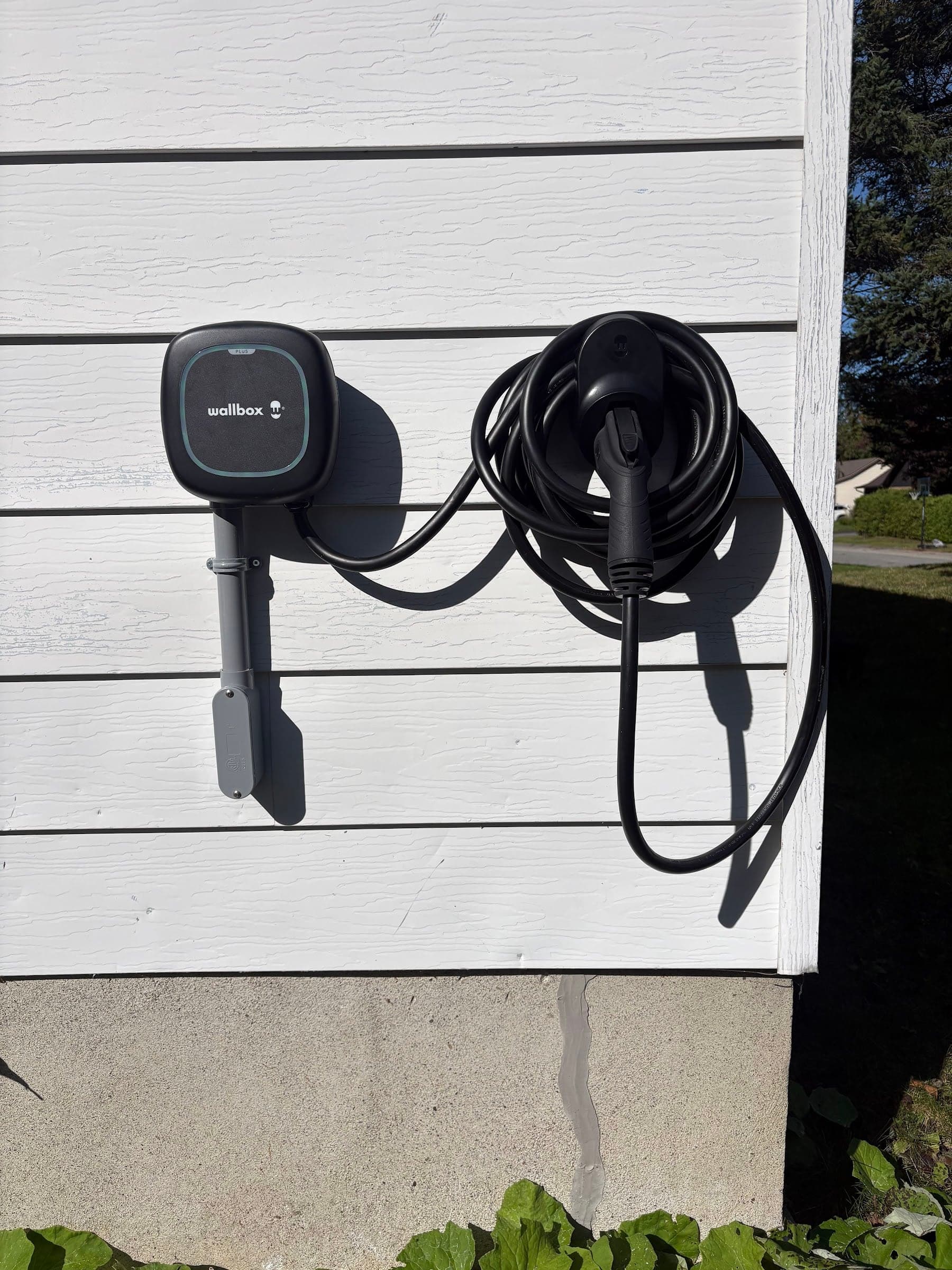
- A 60 or 100 A service, which may be tight if you plan a charger, a heat pump or a hot tub.
- Aluminum wiring in a house from the 1960s or 1970s.
- Ungrounded outlets (two-prong), or outlets without GFCI protection near water and outdoors.
- Amateur work: connections outside a box, exposed cables, extension cords used as permanent wiring.
What each point means
| The report flags | What it may mean | To learn more |
|---|---|---|
| Fuse panel | Little capacity, no modern protection, the insurer may ask for a replacement | Fuse panel |
| 60 or 100 A service | Tight for an EV charger, a heat pump or a hot tub | Load calculation |
| Aluminum wiring | Connections to check, devices marked for aluminum | Aluminum wiring |
| Ungrounded outlets or no GFCI | Protection to add near water and outdoors | GFCI outlets |
| Missing or old smoke alarms | Replace after 10 years, interconnect during renovation | Smoke alarms |
| Amateur work | Connections and cables to fix before moving in | An on-site assessment |
What to do when the report flags something
- Read the electrical section of the report and its photos.
- Within the inspection period set in your promise to purchase, ask a master electrician for an assessment.
- The electrician tells you what is urgent and what can wait, and gives you a written quote.
- With those facts, you decide: buy as is, renegotiate or add a condition.
After the purchase
In Québec, work on an electrical installation must always be done by a contractor holding the appropriate licence, even in the house you live in. We do the work in order of priority and give you the documents your insurer needs.
When an outlet is replaced, it follows the Code in force: tamper-resistant outlet, GFCI near a sink. See Electrical work: what you can do yourself.
With LTE Électrique
Send us the electrical section of the report and its photos: the estimate is free, within 24 hours, and we come and see on site if the photos aren’t enough. The price is announced in advance, fixed or hourly depending on the project, and labour is guaranteed for 2 years.
Frequently asked questions
- Can the inspector tell me what the repair will cost?
- That’s not their role. The inspector reports what they observe; to know what to do and at what price, you need a master electrician’s assessment, which can come with a quote.
- Does a fuse panel mean I shouldn’t buy?
- No, but it matters: several insurers ask for it to be replaced. Have the panel and service assessed, and factor it into your decision or your offer.
- How do I know my inspector is certified?
- The RBQ keeps a public registry of certified inspectors, linked from its “Faire inspecter une propriété” page.
- Which certificate for a house or a condo?
- According to the RBQ, class 1 covers buildings with one to six private units and any private portion of a condo, whatever the building. Class 2 covers any type of residential building.
- The report mentions two-prong outlets: does everything need redoing?
- Not necessarily. According to the RBQ, an outlet without a ground can be protected by a GFCI when a ground can’t be added. The electrician assesses whether to protect or redo the circuit.
- Can the electrician come during the inspection period?
- Yes, that’s the right time. At LTE Électrique, the estimate is free, within 24 hours, often from the report’s photos; otherwise, we come and see on site.
- Will the 100 A service be enough for my plans?
- The load calculation tells you. If you’re planning an EV charger, a heat pump or a hot tub, do it before buying: it tells you whether the service is enough, or whether you need load management or a 200 A upgrade.
- What should I do with the documents after the work?
- Keep the invoice and the confirmation of the work declaration in a home improvement record, as the Insurance Bureau of Canada recommends: your insurer may ask for them.
Sources
- Faire inspecter une propriété, Régie du bâtiment du Québec, checked on October 17, 2026
- Obtenir un certificat d’inspecteur en bâtiments d’habitation, Régie du bâtiment du Québec, checked on October 21, 2026
- Travaux que vous pouvez faire vous-même, Régie du bâtiment du Québec, checked on October 17, 2026
- Remplacement d’appareillages électriques dans une installation existante, Régie du bâtiment du Québec, checked on October 21, 2026
- Biens patrimoniaux : assurer le passé vivantPDF, Bureau d’assurance du Canada, checked on October 21, 2026
About this guide
Written by LTE Électrique, a master electrician’s business in Sherbrooke (RBQ licence 5874-5597-01, CMEQ member). Every rule comes from Québec’s Construction Code or an official source, listed above with the date it was checked. French version reviewed by William Letendre, master electrician, on October 21, 2026.
About usCite this guide
To cite this guide, use its title, author and address:
“Pre-purchase inspection: what to do when the report mentions electrical issues”, LTE Électrique, https://www.lteelectrique.com/en/guides/pre-purchase-inspection-electrical, French version reviewed by William Letendre, master electrician, on October 21, 2026.