

In short
- Three questions to settle: the board’s approval, the meter and the capacity of the building’s service.
- 2026 Code: in a building of 5 or more units, an overall plan must provide for charging at every space, except visitor spaces.
- An individual charger from your panel, or shared infrastructure with load management: the choice depends on the building.
- A co-owner can receive up to $5,000 for buying and installing a charger, electrical infrastructure included.
- The board can also apply for assistance to analyze solutions and upgrade the building’s service.
In this guide
The three questions to settle
- The board’s approval. The common areas belong to the syndicate of co-owners: the wiring crosses them. The building’s rules and the law frame the request; a clear technical file helps.
- The meter. The charger connects to your unit’s meter (you pay for your electricity) or to a common meter (the building bills back or absorbs it). Each option has electrical and administrative consequences.
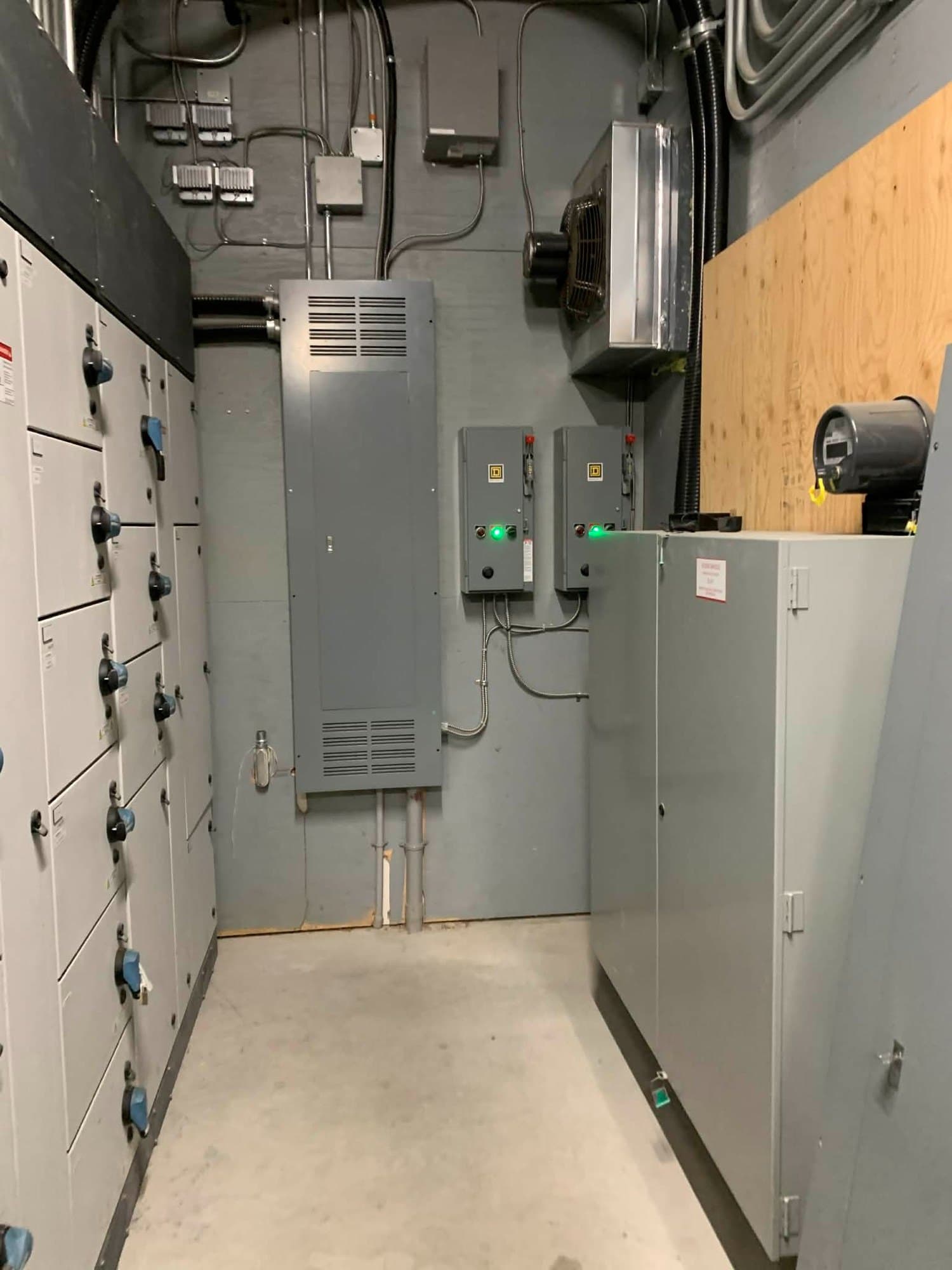
- Capacity. The building’s service has a limit, shared by everyone. A few chargers often fit; ten require planning.
What the 2026 Code requires
- Building of 5 or more units: when chargers are installed, an overall plan must make sure the installation’s capacity can eventually serve every parking space, except those reserved for visitors.
- New residential building: charging infrastructure must be provided for at least one space per unit that has a parking space.
- Energy management system (EVEMS): it shares the capacity among the chargers; with it, the chargers don’t count at 100% in the load calculation.
The two approaches
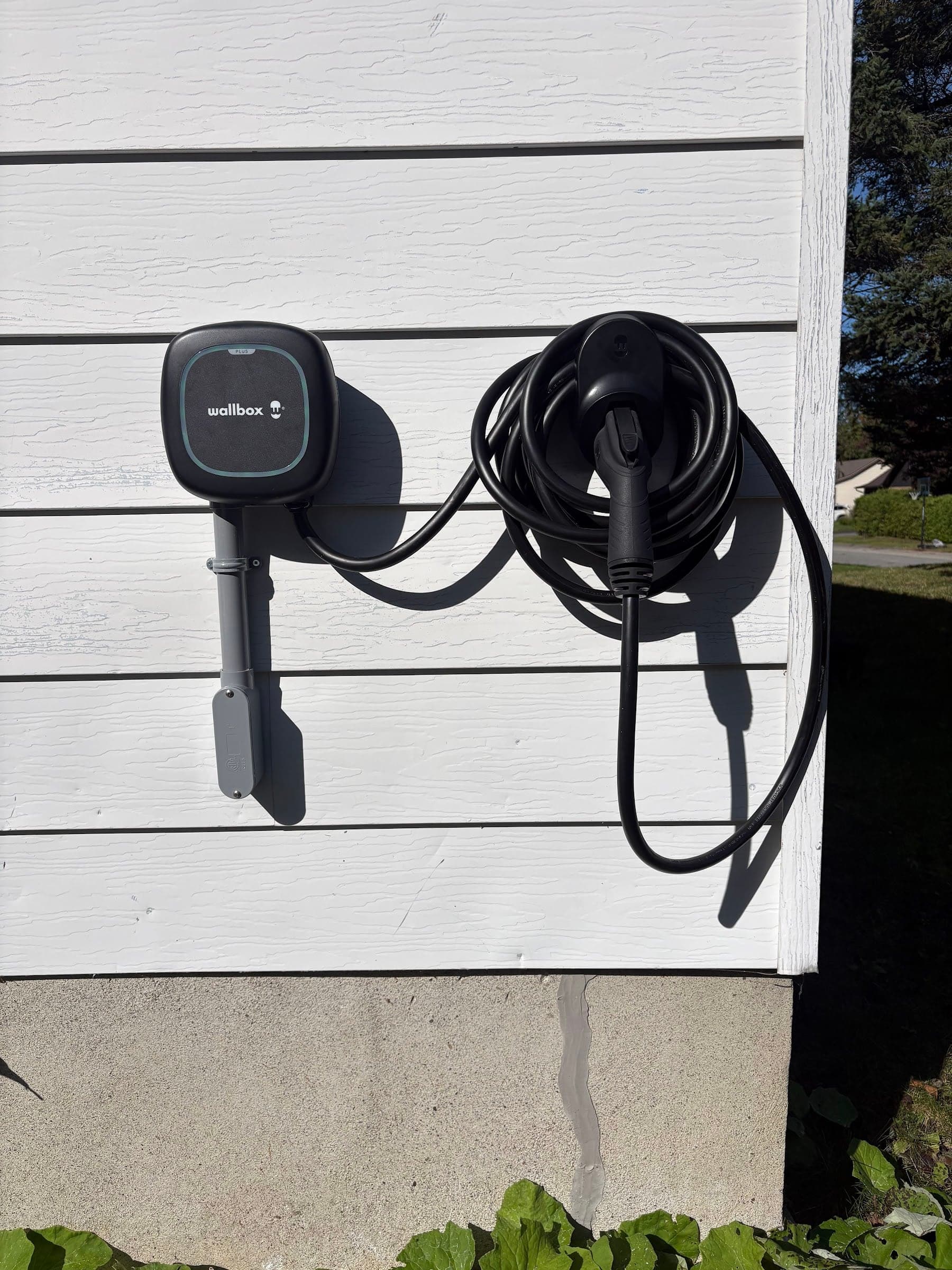
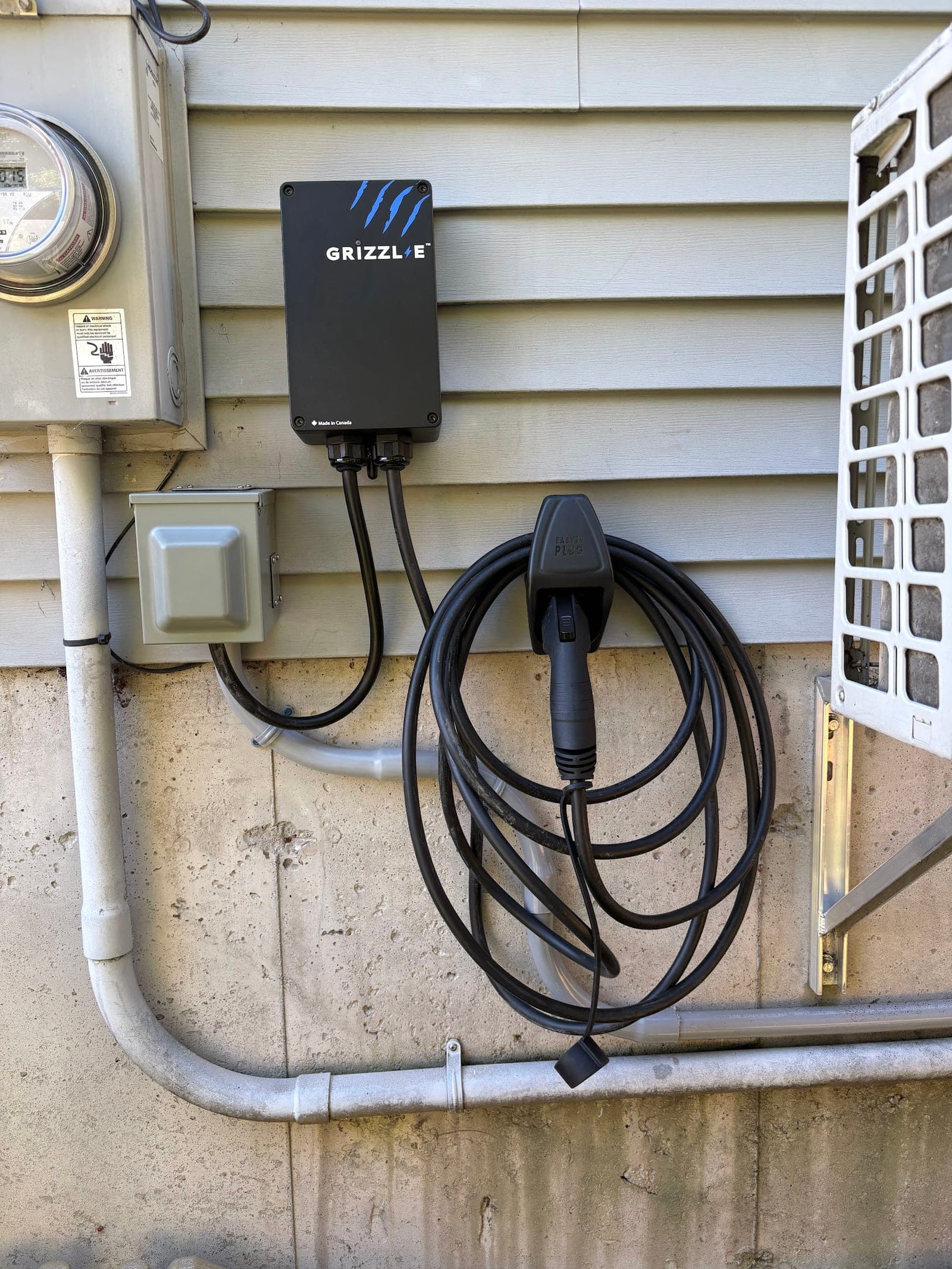
- Individual charger: a circuit from your unit’s panel to your spot, if the distance and capacity allow. Simple when it’s possible.
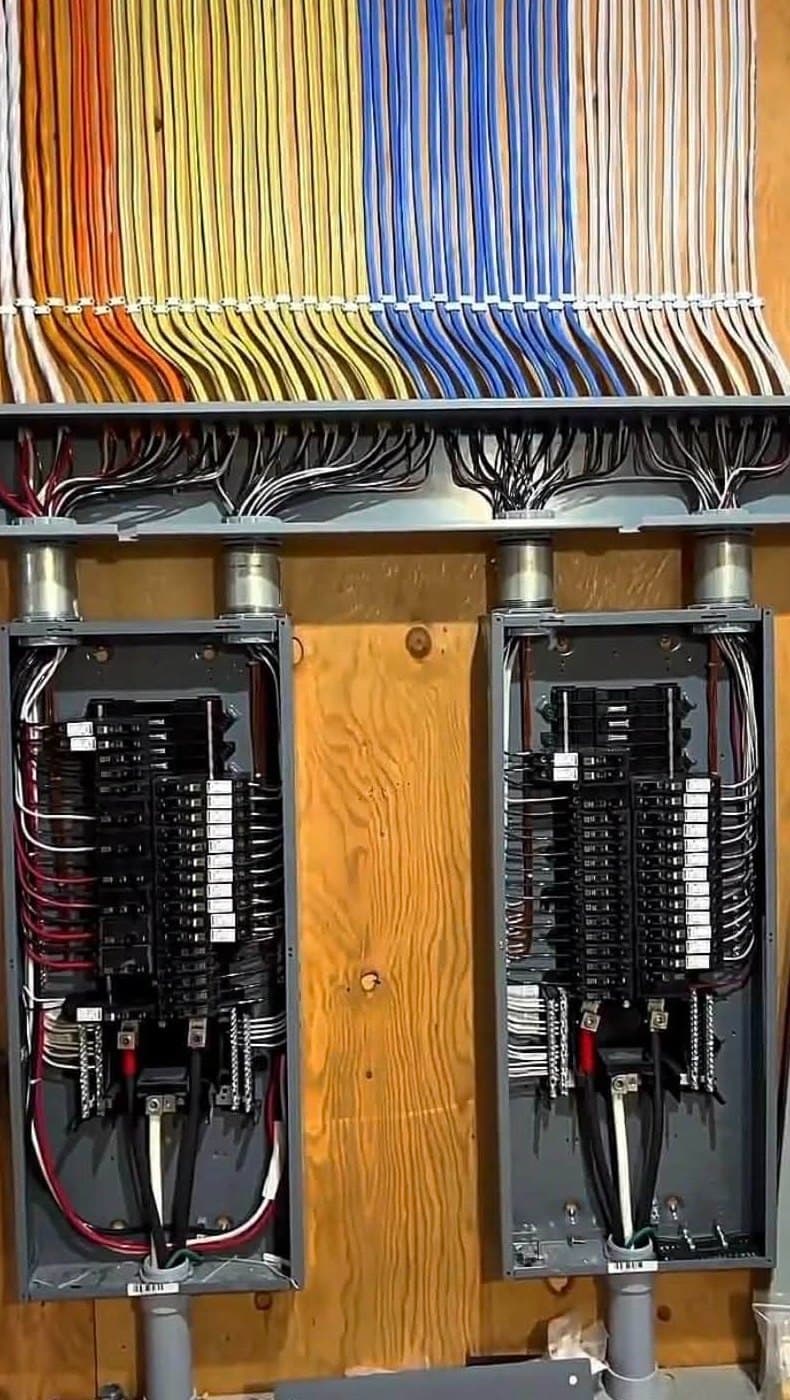
- Shared infrastructure: a panel and load management dedicated to chargers, with conduits to the spots, then each owner adds a charger. It’s the scalable solution for a building that will have several.
| Individual charger | Shared infrastructure | |
|---|---|---|
| Supply | Your unit’s panel | A panel dedicated to chargers |
| Meter | Yours | Common, with possible billing back |
| For whom | One or a few chargers, if the distance allows | A building that will have several |
| Possible assistance | Up to $5,000 to the vehicle owner | “Multi-unit projects” stream for the board |
What the assessment produces
A document the board can read: available capacity, possible routes, how many spots can be equipped now, a plan for adding more later, and what each option means for the meters. With that, the meeting decides on facts.
The Écorecharge rebate for multi-unit buildings
According to the official pages checked on October 15, 2026, the program offers up to $5,000 for a charger in a multi-unit building, under specific conditions. Programs change: check the official page before ordering.
- Individual charger: up to $5,000 for buying and installing a charger in the parking area, including the electrical infrastructure work, paid in one instalment. Check that the charger is eligible before buying it.
- Building projects: a separate stream is open to owners, managers and condo boards, to analyze solutions, upgrade infrastructure and install chargers reserved for residents and their visitors. The application is made once the work is done.
Preparing the request to the board
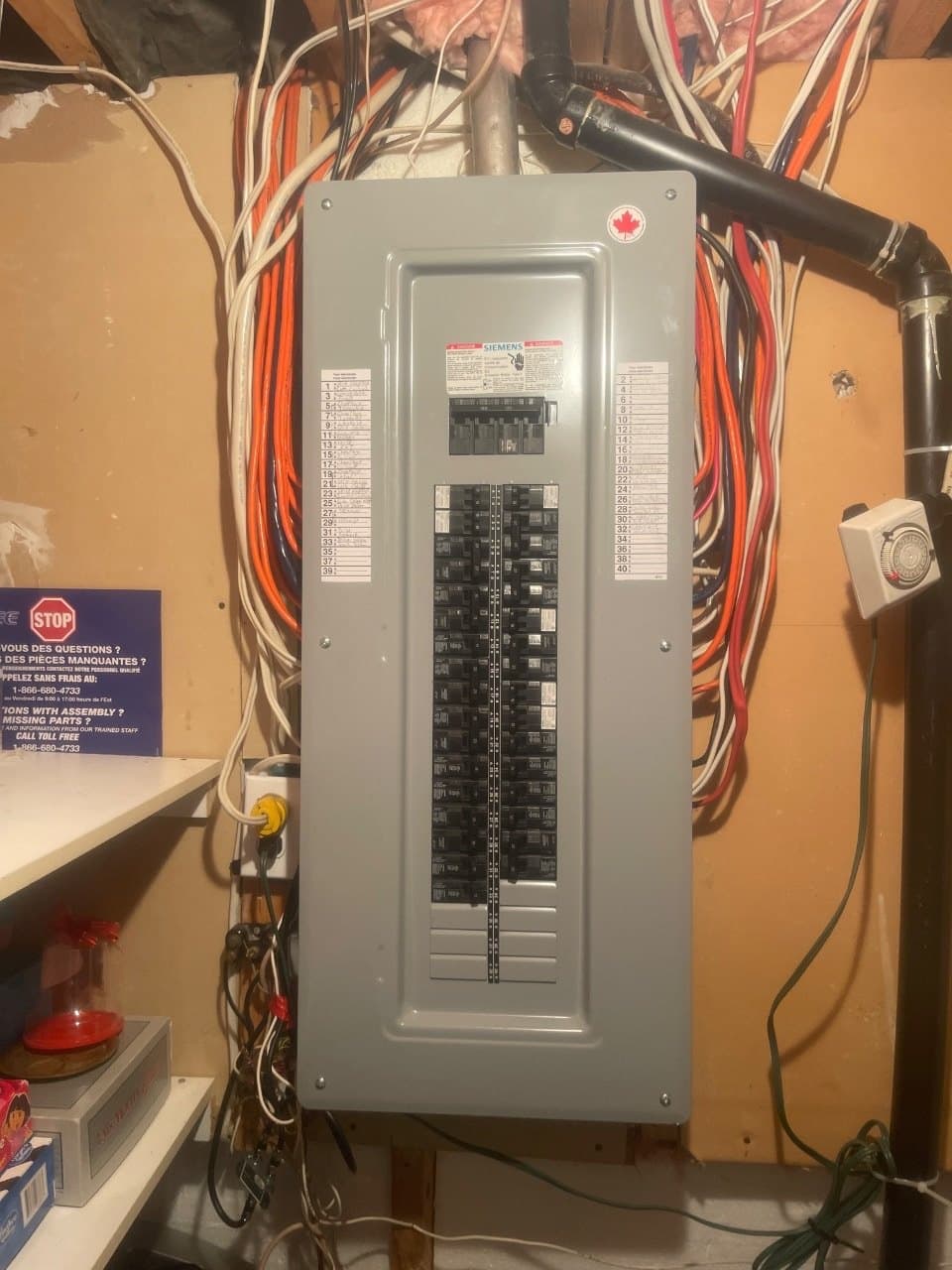
A photo of your unit’s panel, the parking plan with your spot, the charger model you have in mind and, ideally, the electrical assessment. The more concrete the file, the faster the answer.
Renting? See EV charger for tenants. For choosing the charger, see 32 A or 48 A.
With LTE Électrique
We assess the building’s capacity, propose an individual charger or shared infrastructure, and prepare a readable file for the board. The price is announced in advance, fixed or hourly depending on the project, and labour is guaranteed for 2 years. The estimate is free, within 24 hours.
Frequently asked questions
- Who pays for my charger’s electricity?
- If the charger is on your unit’s meter, you do. If it’s on a common meter, the building does, and it can bill back based on the consumption measured by the charger. It’s the board’s choice, and it has technical consequences.
- Can the board say no?
- The building’s rules and the law frame the answer. In practice, a refusal often comes from a lack of information about capacity or the route: a clear electrical assessment settles most objections.
- How much can I get for my charger in a condo?
- According to Québec.ca, an electric vehicle owner living in a multi-unit building can receive up to $5,000 for buying and installing a charger in the parking area, including the electrical infrastructure work. Check that the charger is eligible before buying it.
- Can the board get assistance for the whole building?
- Yes. The “multi-unit charging projects” stream is open to condo boards, among others: analyzing solutions, upgrading infrastructure and installing chargers reserved for residents and their visitors. The application is made once the work is done.
- Our building has 12 units: what does the 2026 Code require?
- In a residential building of 5 or more units, installing chargers requires an overall plan: the capacity must eventually be able to serve every parking space, except visitor spaces, even if only one charger is installed now.
- Does load management help in a condo?
- Often. An electric vehicle energy management system shares the capacity among the chargers so the service is never exceeded. With such a system, the chargers don’t count at 100% in the load calculation.
- I rent in a building: is it different?
- You need the owner’s written approval. The up-to-$5,000 assistance for an individual charger in a multi-unit building is for the vehicle owner who lives in the building. See our guide for tenants.
- What goes in the file for the meeting?
- A photo of your unit’s panel, the parking plan with your spot, the charger model you have in mind and the electrical assessment: available capacity, route, number of possible spots and choice of meter.
Sources
- Aide financière Écorecharge, Gouvernement du Québec, checked on October 15, 2026
- Borne de recharge individuelle en multilogement, Gouvernement du Québec, checked on October 21, 2026
- Projets de recharge en multilogement, Gouvernement du Québec, checked on October 21, 2026
- Cahier explicatif sur les principaux changements au chapitre V, Électricité (édition 2026)PDF, Régie du bâtiment du Québec, checked on October 21, 2026
About this guide
Written by LTE Électrique, a master electrician’s business in Sherbrooke (RBQ licence 5874-5597-01, CMEQ member). Every rule comes from Québec’s Construction Code or an official source, listed above with the date it was checked. French version reviewed by William Letendre, master electrician, on October 21, 2026.
About usCite this guide
To cite this guide, use its title, author and address:
“An EV charger in a condo: where to start”, LTE Électrique, https://www.lteelectrique.com/en/guides/ev-charger-in-a-condo, French version reviewed by William Letendre, master electrician, on October 21, 2026.