

In short
- Level 2 is a 240 V charger on a dedicated circuit: a 32 A charger on a 40 A circuit is enough for most drivers.
- Before buying, the load calculation tells whether the service is enough; if not, the 2026 Code recognizes three solutions without necessarily going to 200 A.
- A charger outlet carries a label; at 120 V outdoors and within 2.5 m of the ground, it is protected by a Class A GFCI.
- The work requires a licensed contractor, who declares the work to the RBQ as the Code requires.
- Québec pays $600 for an eligible connected charger costing more than $600 before taxes; the installation invoice serves as proof.
In this guide
Level 1 or level 2
| Criterion | Level 1 | Level 2 |
|---|---|---|
| Power | Ordinary 120 V outlet | 240 V, on a dedicated circuit |
| Equipment | The charger that comes with the vehicle | A hardwired or plug-in charger |
| Speed | Slow: for occasional use | Much faster: the most common option at home |
How much power
| Charger | Circuit | Power | For whom |
|---|---|---|---|
| 32 A | 40 A | About 7.7 kW | The vast majority of drivers: a full charge overnight |
| 48 A | 60 A | About 11.5 kW | Two vehicles in turn or long daily trips; needs more capacity |
The vehicle’s on-board charger caps the speed: a charger more powerful than what the vehicle accepts doesn’t charge any faster. Our comparator gives the power of eligible chargers, and our 32 A or 48 A guide goes further.
The charger and its circuit: 80% at most
Charging is a continuous load: the charger uses no more than 80% of the circuit that feeds it.
A 32 A charger goes on a 40 A circuit (about 7.7 kW); a 48 A charger, on a 60 A circuit (about 11.5 kW).
Simplified diagram, not exactly to scale: the full rules and their exceptions are in the text.
Electrical service capacity
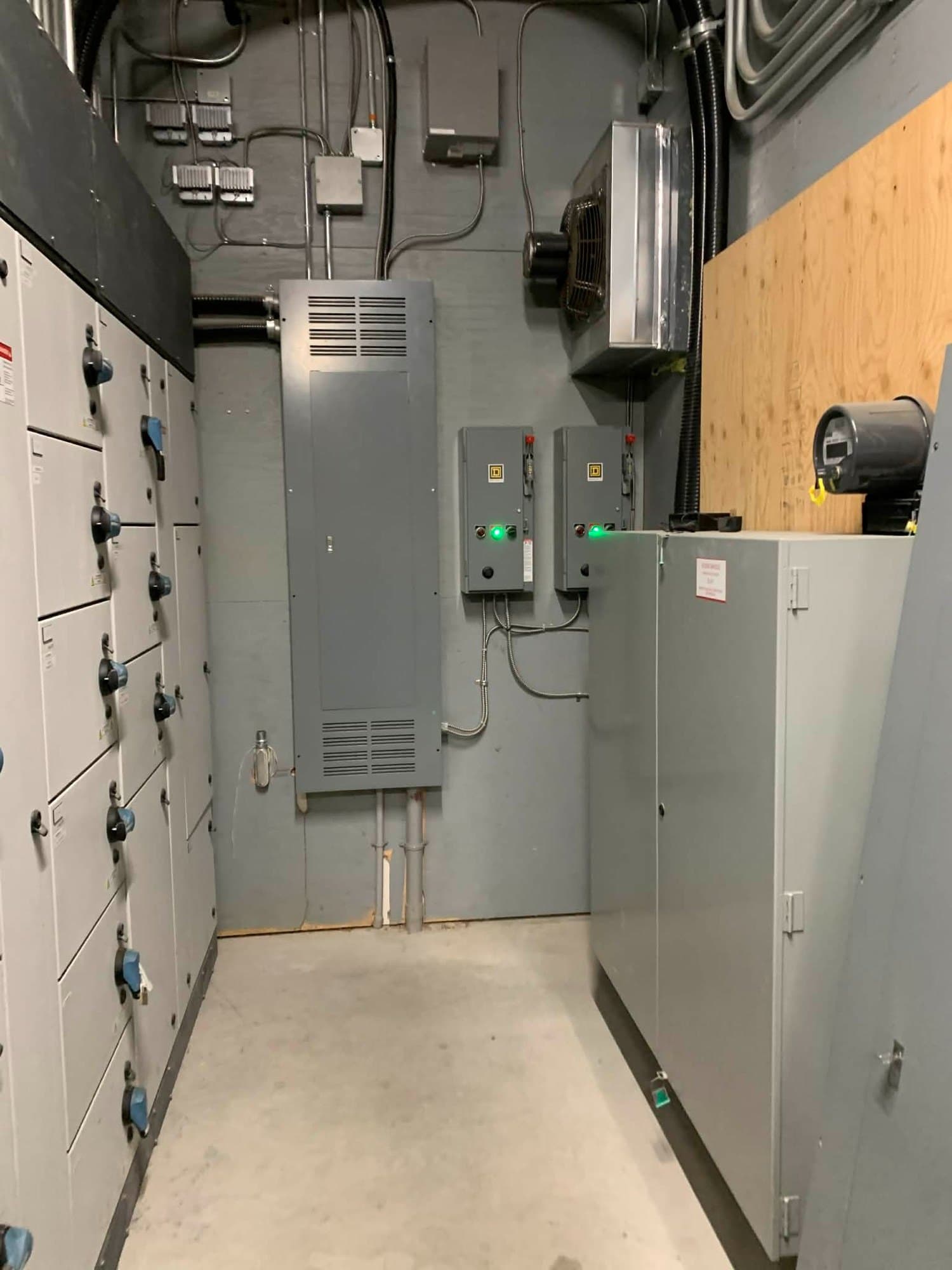
The load calculation first
In the load calculation, a charger counts at 100%, unless an energy management system (EVEMS) is used. Our load calculation applies the Code to your house. On a 100 A service with electric heating, a 48 A charger rarely fits without a solution; a 32 A one fits more often.
When the service is tight
The 2026 Code recognizes three ways to supply a charger without necessarily upgrading the service:
- an EVEMS, which keeps charging within the allowed capacity;
- a switching device that feeds the charger from a large appliance’s circuit, such as the range or the dryer, only when that appliance uses little or no power;
- a load controller installed upstream of the panel.
Otherwise, an upgrade to 200 A settles the question for good.
What the Code requires for the charger
- A dedicated circuit for the level 2 charger.
- A permanent label on every charging outlet, stating its purpose.
- At 120 V, the charging outlet is a single 5-20R outlet on a circuit of at least 20 A; outdoors and within 2.5 m of the ground, it is protected by a Class A GFCI, unless the charger has its own built-in protection.
- A 50 A outlet on a 40 A circuit is allowed if the continuous load doesn’t exceed 80% of the circuit and this is marked on the outlet.
- Approved equipment: the Code prohibits connecting electrical equipment that isn’t approved by a recognized body.
Hardwired or plug-in
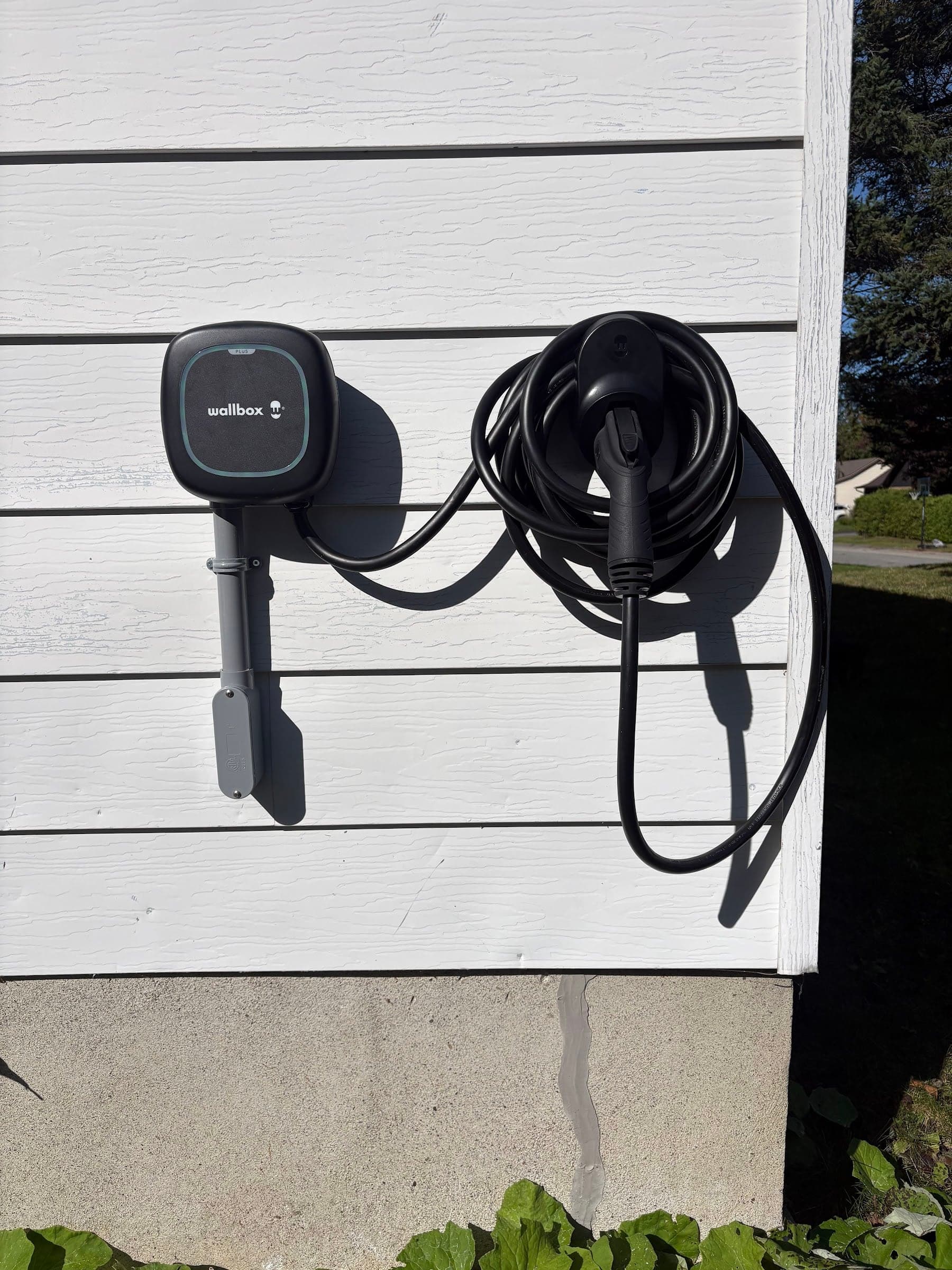
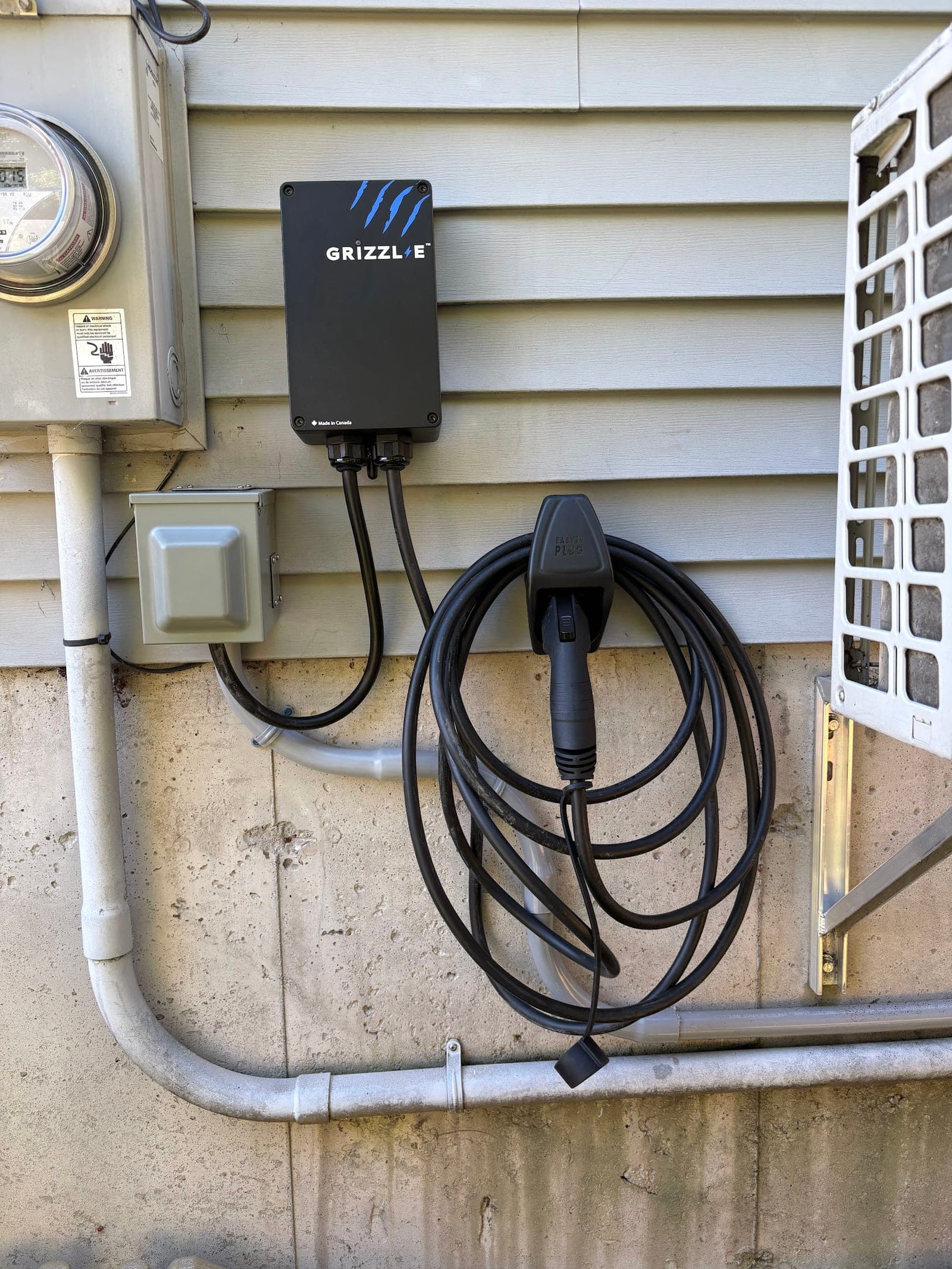
A hardwired charger is connected directly to its circuit. A plug-in charger plugs into a 240 V outlet installed for it. Both are done; we choose based on the model, the location and your plans.
Where to put the charger
- In the garage or outdoors, near where you park. Outdoors, the model must be designed for outdoor use, with protected wiring; we choose the spot with winter and snow removal in mind.
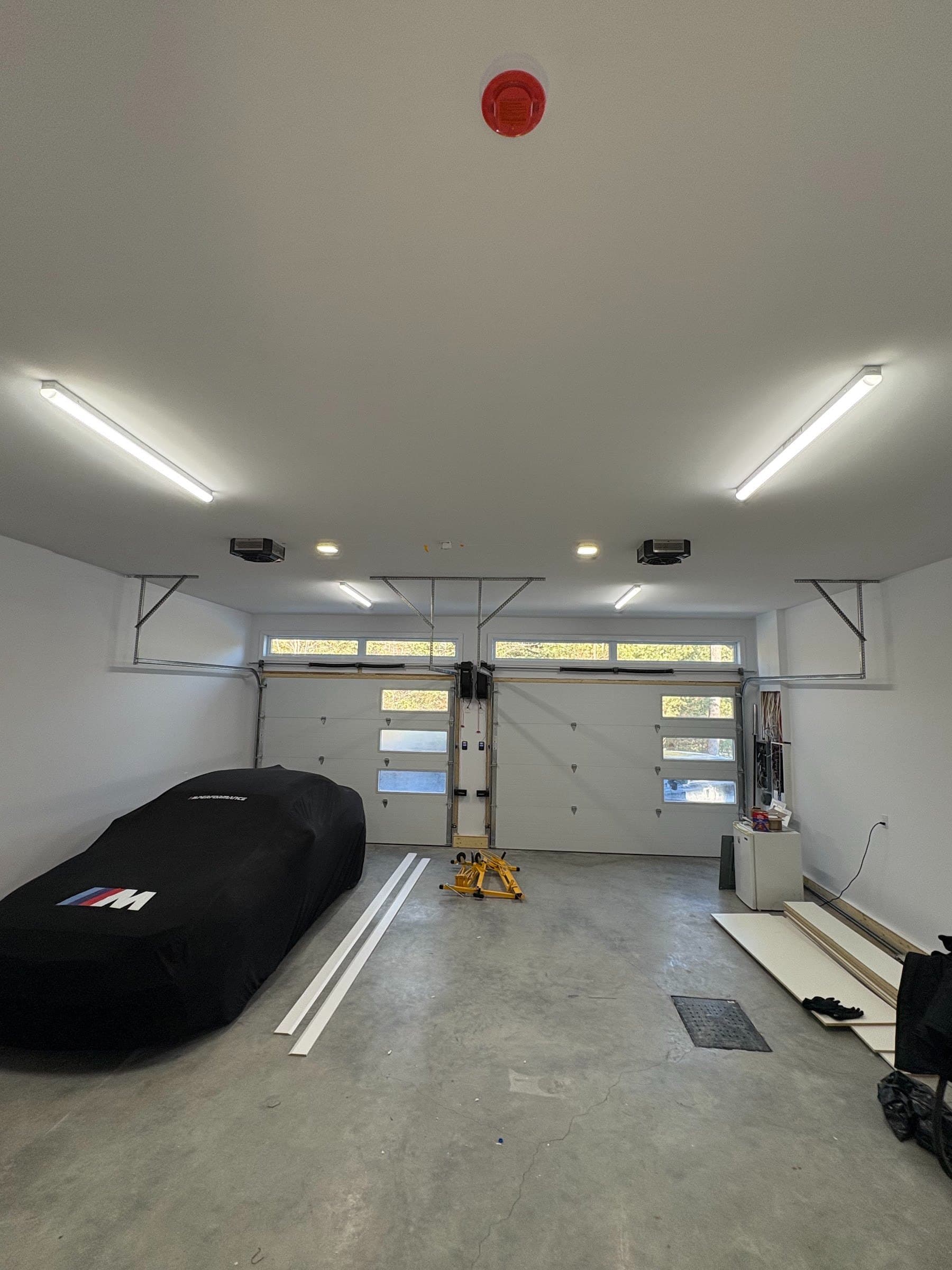
- The cable must reach the vehicle’s port without pulling, however you park; seven metres or more is common.
- The distance to the panel affects the amount of cable and the work.
The steps with an electrician
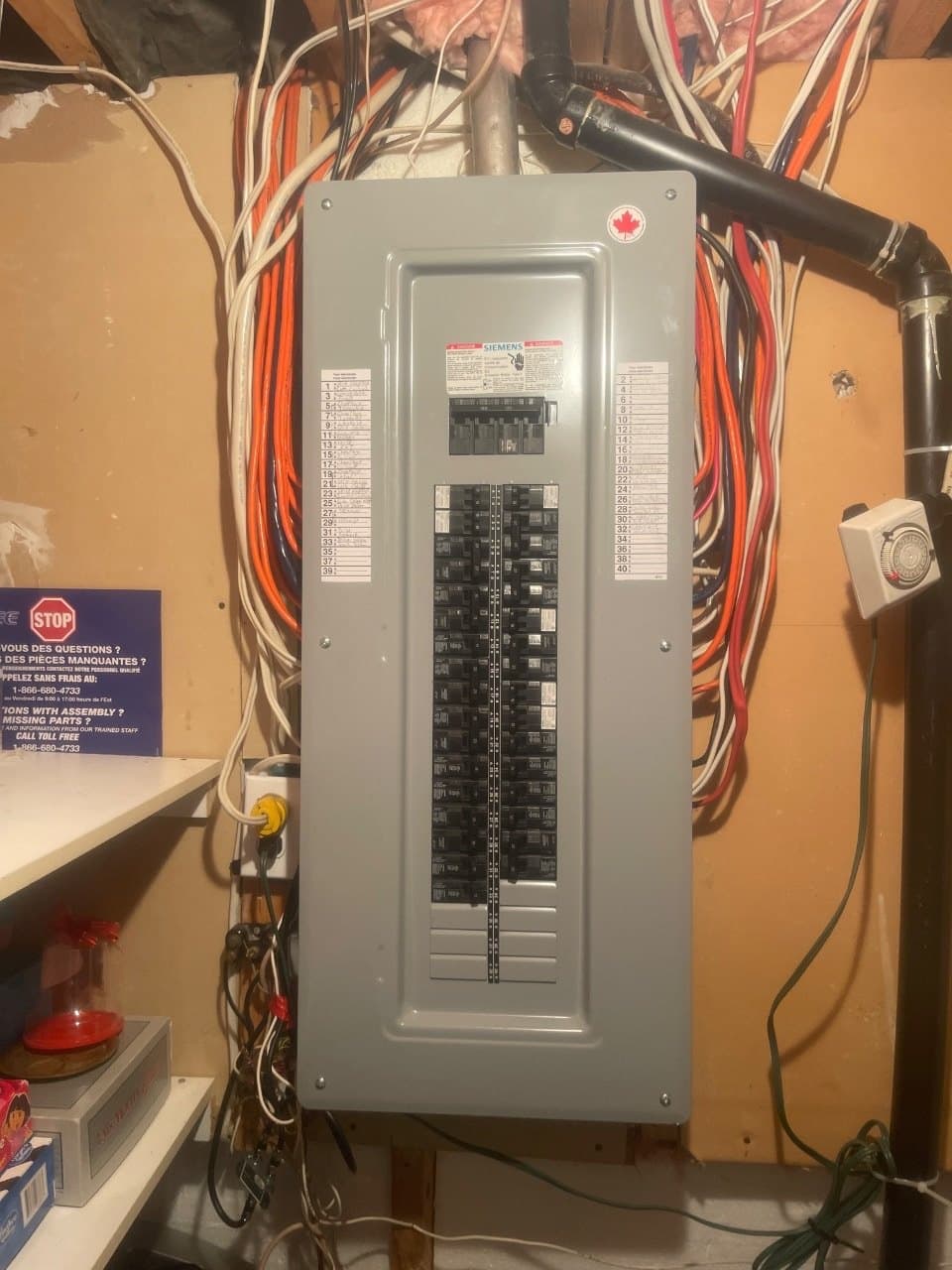
- The assessment, from photos of the panel and the parking spot, or on site.
- The load calculation and the choice of charger.
- The quote, with the price announced in advance.
- Installation of the dedicated circuit and the charger.
- Commissioning and a charging test.
- The declaration of work to the RBQ, which the Code requires from the contractor, and the invoice you use for the grant.
The photos to send
Your electrical panel (door open, without removing the cover), the main breaker label and the spot where you want the charger.
The $600 grant
Québec pays $600 toward buying or leasing a new, certified, connected level 2 charger on the official list that costs more than $600 before taxes. The charger must be installed and the vehicle in hand when you apply, and the installation invoice serves as proof. It is all explained in our guide The $600 grant, step by step.
How much charging costs
Our How much does charging at home cost? tool calculates what charging costs at Hydro-Québec’s rate, what you save compared with gasoline and how long your charger takes to pay for itself.
In a condo or as a tenant
The rules change when parking is shared or you rent: see our charger in a condo and charger for tenants guides.
Mistakes to avoid
- Buying the charger before the load calculation: the power you choose depends on your service.
- An extension cord to the vehicle: as Québec.ca reminds us, an extension cord is a temporary solution.
- A non-connected charger if you are counting on the $600.
- Unapproved equipment, bought online without a recognized body’s mark: the Code prohibits connecting it.
With LTE Électrique
- We install every brand: Tesla, Grizzl-E, Wallbox, FLO, EVduty.
- Free estimate within 24 hours, often from your photos; price announced in advance, fixed or hourly depending on the project; anything unexpected is done only with your approval.
- Work usually starts less than a week after you approve, depending on the project.
- We give you the installation invoice that serves as proof for the $600; 2-year labour warranty.
Frequently asked questions
- Can I install my charger myself?
- No: adding a 240 V circuit and connecting it to the panel must be done by a licensed electrical contractor. Under the Code, the contractor then declares the work to the RBQ.
- Can my charger be outdoors?
- Yes, if the model is designed for outdoors and the installation is suited to the weather.
- 32 A or 48 A?
- A 32 A charger on a 40 A circuit (about 7.7 kW) is enough for the vast majority of drivers: a full charge overnight. A 48 A charger (60 A circuit, about 11.5 kW) charges faster, if the vehicle accepts it, but needs more panel capacity.
- Is my 100 A service enough?
- The load calculation decides. On a 100 A service with electric heating, 48 A rarely fits without load management or an upgrade; 32 A fits more often. We tell you before you buy.
- Can I connect the charger to the dryer or range circuit?
- The 2026 Code allows it with a switching device that feeds the charger only when the main appliance uses little or no power. With the range, the circuit must suit it and be at least 40 A, and charging pauses during meals.
- Hardwired or plug-in?
- Both are done. A hardwired charger connects directly to its circuit; a plug-in charger plugs into a 240 V outlet installed for it, with the label the Code requires. A 50 A outlet can be on a 40 A circuit if this is marked on the outlet and the load doesn’t exceed 80% of the circuit.
- Does the $600 cover installation?
- No: the $600 covers buying or leasing the charger, but proof of installation is required, namely the invoice for the work.
- Do I need a connected charger?
- To charge, no. For the $600 grant, yes: since April 1, 2026, only connected chargers on the official list qualify.
- Is my new house ready for a charger?
- Since October 1, 2018, a new house with a garage, carport or parking space must have a cable or conduit from the panel to an outlet box, ready for a level 2 charger. The breaker, outlet or charger still has to be added.
- What do you need for a quick quote?
- Photos: the electrical panel (door open, without removing the cover), the main breaker label and the spot where you want the charger.
Sources
- Cahier explicatif sur les principaux changements au chapitre V, Électricité (édition 2026)PDF, Régie du bâtiment du Québec, checked on October 20, 2026
- Guide d’accompagnement : contrôle de la qualité des travaux d’installation électrique (octobre 2023)PDF, Régie du bâtiment du Québec, checked on October 20, 2026
- Travaux que vous pouvez faire vous-même, Régie du bâtiment du Québec, checked on October 20, 2026
- Aide financière pour une borne de recharge à domicile, Gouvernement du Québec, checked on October 20, 2026
- Travaux d’installation, Gouvernement du Québec, checked on October 20, 2026
- Liste des modèles de bornes de recharge admissibles, Gouvernement du Québec, checked on October 20, 2026
- Prévenir les risques d’incendie liés à l’électricité, Gouvernement du Québec, checked on October 20, 2026
About this guide
Written by LTE Électrique, a master electrician’s business in Sherbrooke (RBQ licence 5874-5597-01, CMEQ member). Every rule comes from Québec’s Construction Code or an official source, listed above with the date it was checked. French version reviewed by William Letendre, master electrician, on October 21, 2026.
About usCite this guide
To cite this guide, use its title, author and address:
“Installing a home EV charger: steps, Code and the $600 grant”, LTE Électrique, https://www.lteelectrique.com/en/guides/installing-a-home-ev-charger, French version reviewed by William Letendre, master electrician, on October 21, 2026.