

In short
- A GFCI cuts the power in a few milliseconds when some current leaks to ground, perhaps through you.
- It is required for ordinary outlets within 1.5 m of a sink, bathtub or shower, and for all ordinary outdoor outlets.
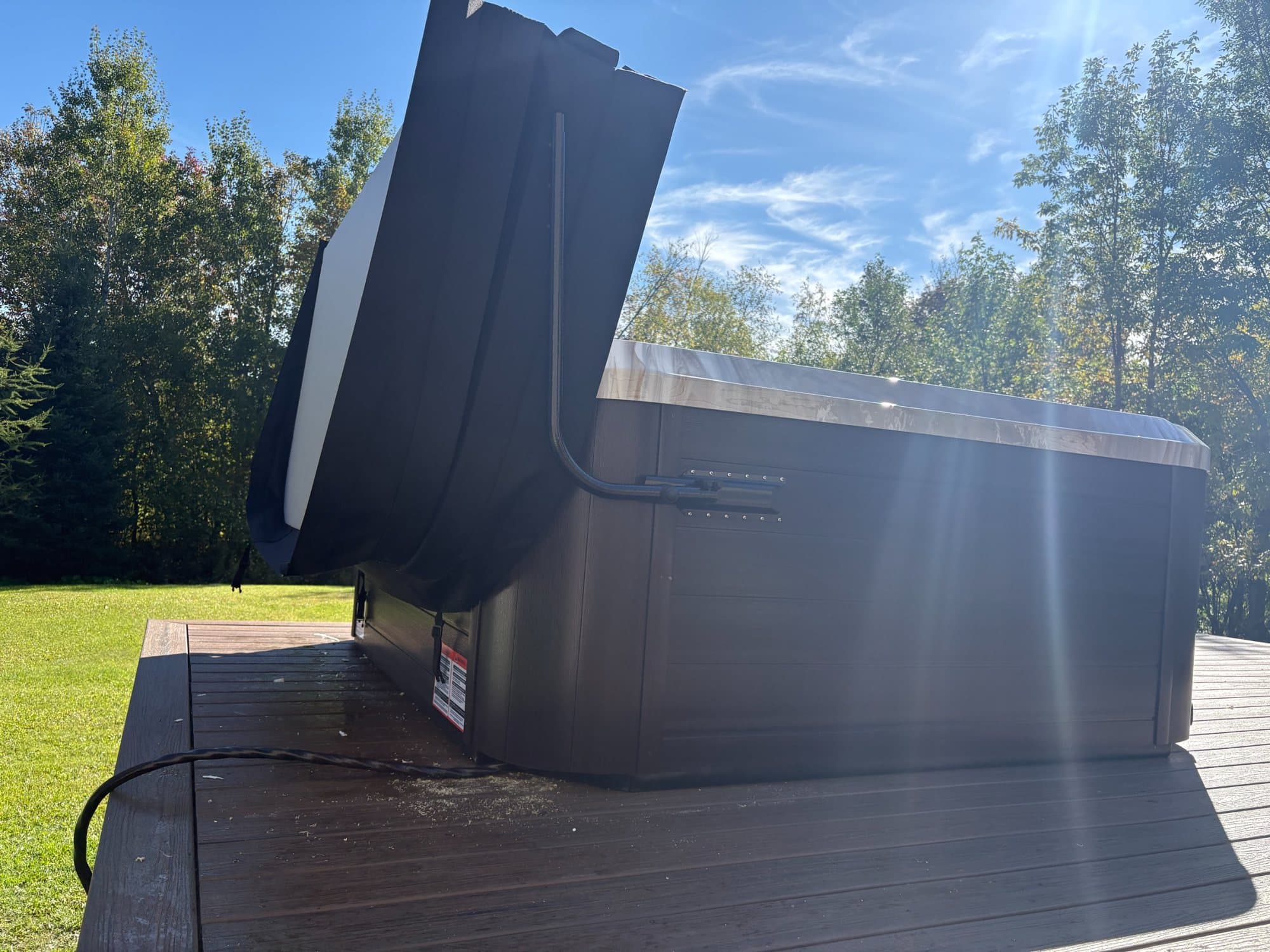
- At the hot tub, the pool and the whirlpool bath, GFCI protection is mandatory, at a safe distance from the water.
- If it trips often: moisture, a faulty appliance, a real leak in the wiring or an outlet at the end of its life.
- Test it once a month with the “test” button, then “reset”.
In this guide
How it works
The outlet compares the current going out with the current coming back. If a tiny part is missing, it’s leaking somewhere else, perhaps through you. The outlet cuts out in a few milliseconds, long before an ordinary breaker would react.
Where the Code requires it
According to the RBQ and the 2026 Code:
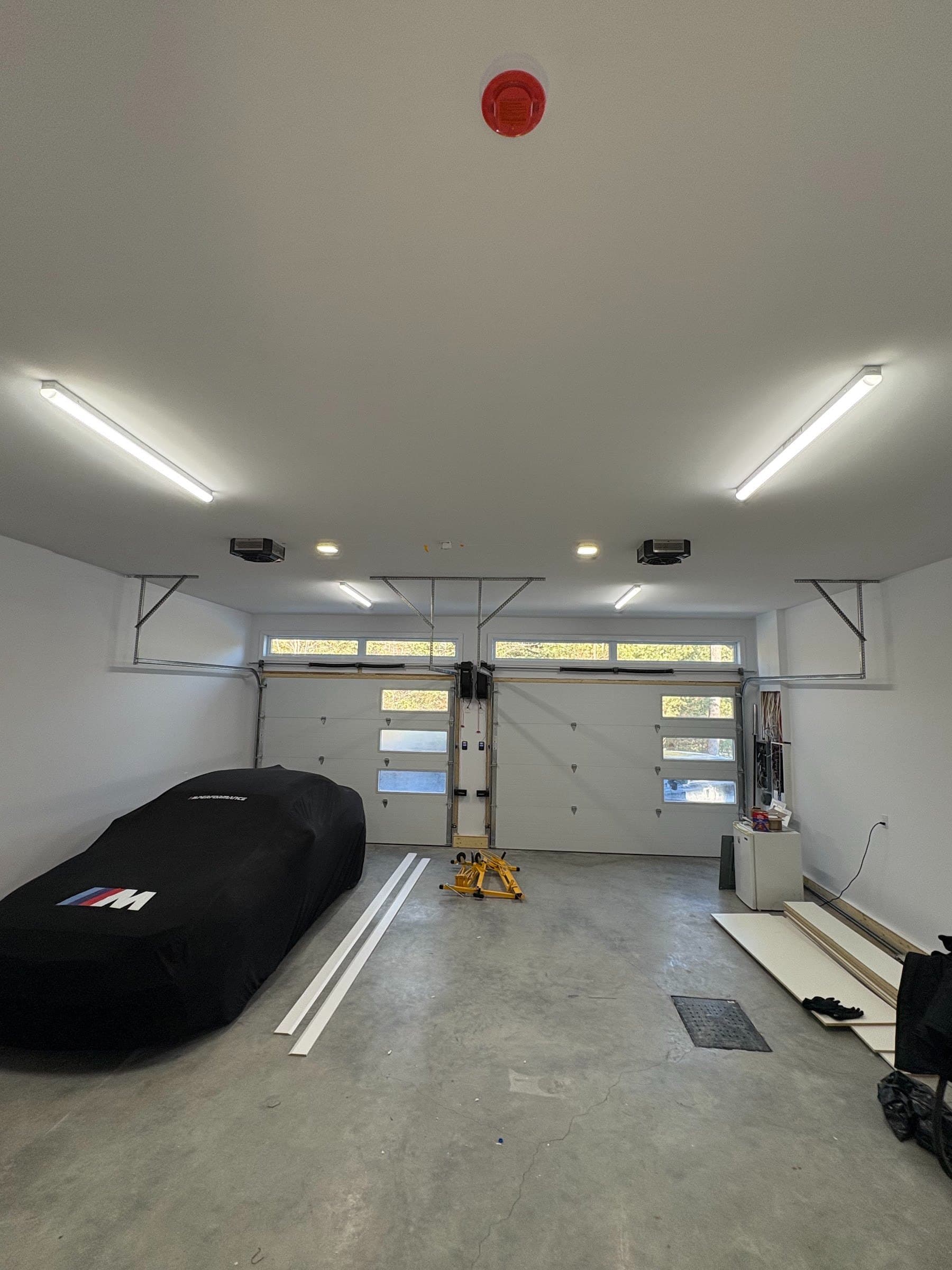
- ordinary outlets (5-15R and 5-20R) within 1.5 m of a sink, bathtub or shower: bathroom, kitchen counter, laundry room, and anywhere else there is a sink, garage included;
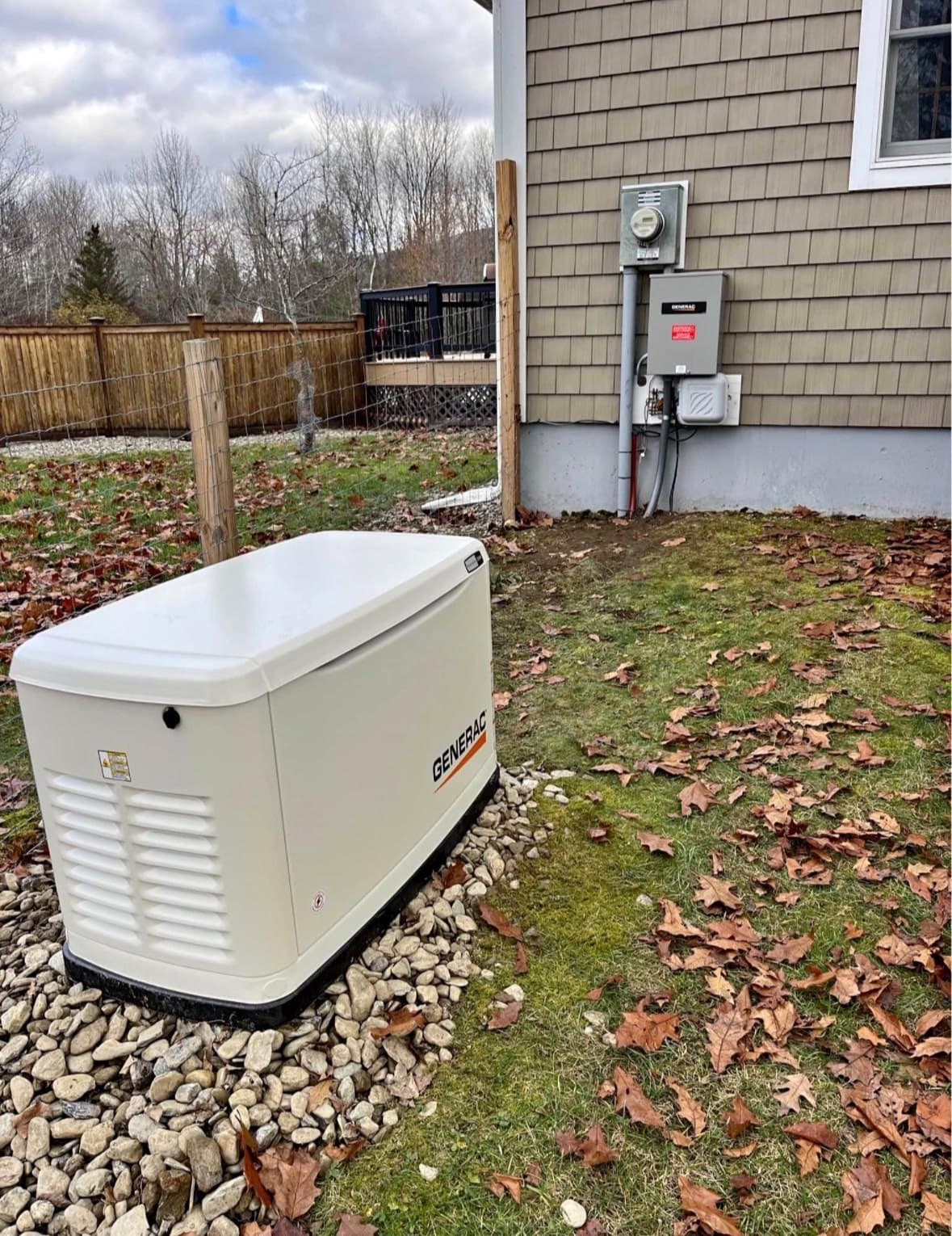
- all ordinary outdoor outlets, block heaters included; only those 2.5 m or more above the ground are exempt;
- around the hot tub and the pool;
- in the bathroom, a switch located within 1 m of the tub or shower.
An outlet behind an appliance (fridge, washer, dishwasher) doesn’t need it if its location makes it inaccessible for a portable appliance.
In an older house, these outlets aren’t always there; we add them when the circuit is worked on, or right away if you ask.
Outdoor outlets and GFCI
Every ordinary outdoor outlet within 2.5 m of the ground is protected by a Class A GFCI; since the 2026 Code, block heater outlets too.
At 2.5 m or more above the ground, GFCI isn’t required. Outdoors, a weatherproof cover, even with a cord plugged in.
Simplified diagram, not exactly to scale: the full rules and their exceptions are in the text.
What the 2026 Code specifies
- Outdoor block heater outlets were exempt in the 2018 edition; they are now covered like other outdoor outlets.
- A thermostat can be within 1 m of the tub or shower, in the room but never inside their perimeter, if it is protected by a GFCI or supplied by a Class 2 extra-low-voltage circuit. The former 500 mm minimum is removed.
- A heater installed less than 1.8 m above the floor can be within 1 m of a sink, tub or shower if it is protected by a GFCI.
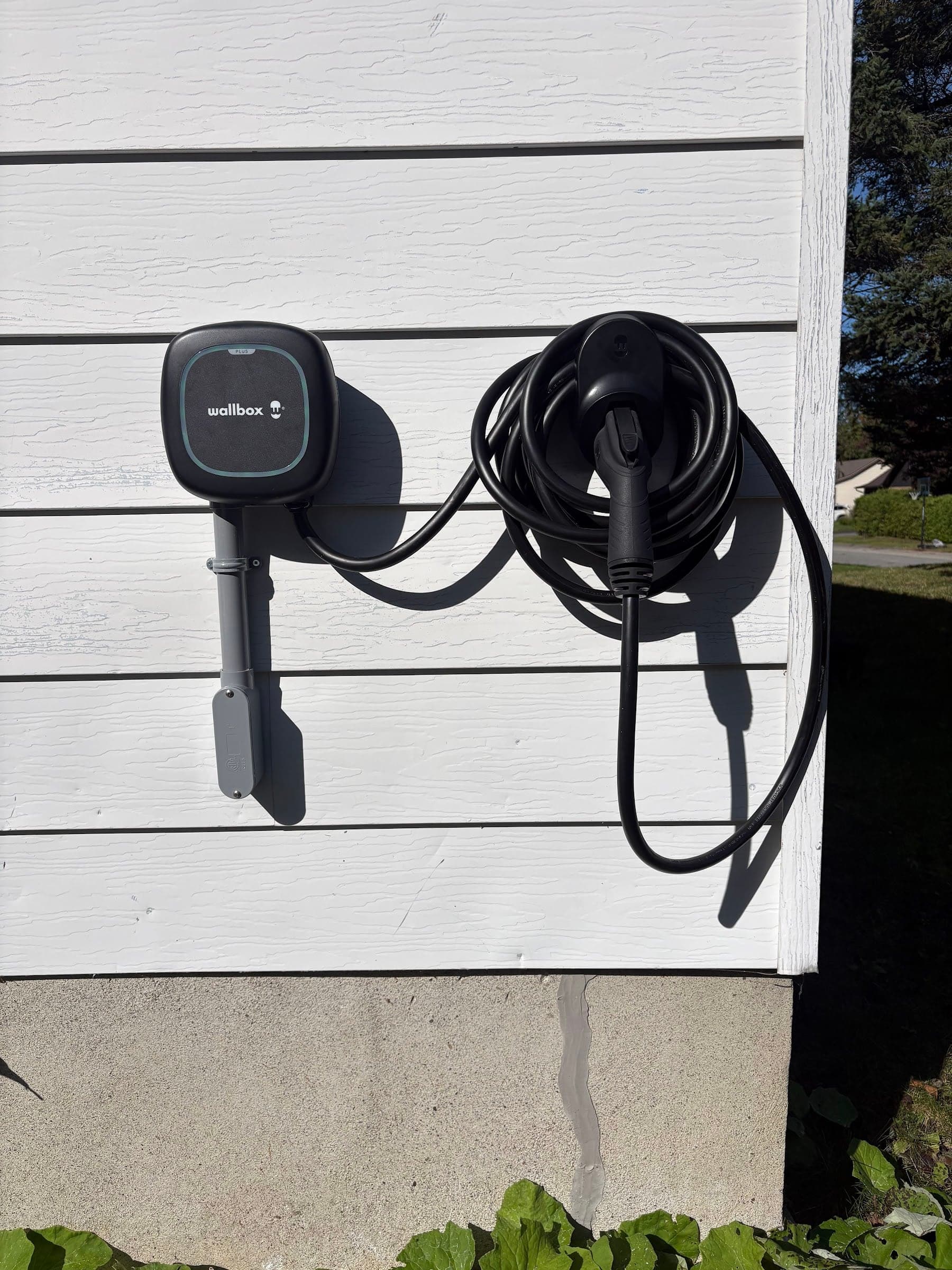
- A 125 V EV charging outlet installed outdoors less than 2.5 m above the ground must be GFCI-protected, unless the charging equipment has its own built-in GFCI protection.
- In an officially designated flood risk zone, circuits below ground level must have ground-fault protection.
The other changes are in Electrical Code 2026: what changes for homeowners.
Hot tub, pool and whirlpool bath
- The electrical equipment of a whirlpool bathtub, therapeutic baths included, must be GFCI-protected.
- This GFCI goes where it is easy to test, at least 1.5 m from the tub, unless it is part of the approved tub and behind a screen.
- If the protection is a GFCI outlet, the distance rises to at least 3 m for a hot tub, spa or pool.
The other rules are in Hot tub and pool: the electrical rules.
Outdoors, the cover matters too
Since 2018, outdoor outlets must have a wet-location cover that is weatherproof whether or not a plug is in, and marked “Extra-Duty”. A cover that no longer closes lets moisture in, and that’s often what trips the GFCI. See Outdoor outlet: rules and installation.
In the outlet or in the breaker
The protection can be in the outlet itself (the “test” and “reset” buttons) or in a GFCI breaker in the panel, which protects the whole circuit. A GFCI outlet can also protect ordinary outlets wired after it.
Why it trips
- Moisture in an outdoor outlet or a poorly closed box.
- A faulty appliance: hot tub heater, tool, appliance plugged in outdoors.
- A real leak in the wiring.
- An outlet at the end of its life: it gets replaced.
If it trips again as soon as it is reset with nothing plugged in, there is a fault to find. If it’s a breaker tripping in the panel, see Breaker keeps tripping: what to do.
Test it
Press “test” once a month: the outlet should cut out. Then “reset”. If nothing happens, it no longer protects you.
GFCI, arc-fault, breaker: three protections
| Protection | What it watches for |
|---|---|
| Ordinary breaker | Overloads and short circuits, to protect the wires |
| GFCI | Current leaking to ground, to protect people |
| Arc-fault (AFCI) | Electrical arcs in a damaged wire or a loose connection, which can start a fire |
One doesn’t replace the other. See Arc-fault breakers (AFCI).
What’s up to you, what’s up to the electrician
Testing the outlet every month, resetting it, unplugging an appliance that trips it: that’s up to you. According to the RBQ, replacing the outlet, adding one or working on the panel is work on the electrical installation, to be done by a contractor with the appropriate licence, even in your own home. See Electrical work: what can you do yourself?.
With LTE Électrique
We add GFCI protection where the Code requires it, in the outlet or at the panel, and we look for the cause when an outlet trips: circuit tests, checks of the connections and appliances. The price is announced in advance, fixed or hourly depending on the project, and labour is guaranteed for 2 years. Send us a photo of the outlet and where it is: the estimate is free, within 24 hours.
Frequently asked questions
- My GFCI outlet has no power, and the panel looks normal
- Press “reset”. If it won’t reset or trips again right away, unplug what is plugged into it and into the outlets it protects. If it persists, have it checked.
- Does a GFCI outlet protect other outlets?
- It can: outlets wired after it on the same circuit are then protected. That’s why a tripped GFCI in the bathroom can cut an outdoor outlet.
- Do I need GFCI outlets throughout the garage?
- No. Indoors, what counts is the distance from water: ordinary outlets within 1.5 m of a sink, garage included. Outdoors, all ordinary outlets need it, except those 2.5 m or more above the ground.
- GFCI outlet or GFCI breaker: which one?
- Both protect. The GFCI breaker, in the panel, protects the whole circuit; the GFCI outlet protects on the spot and can protect the outlets wired after it. The choice depends on the circuit and on where the “test” button will stay easy to reach.
- Can my thermostat be close to the shower?
- Under the 2026 Code, yes, with conditions: within 1 m of the tub or shower, in the room but never inside their perimeter, if it is protected by a GFCI or supplied by a Class 2 extra-low-voltage circuit.
- Does a GFCI outlet replace the arc-fault breaker?
- No. The GFCI cuts out when current leaks to ground; the arc-fault breaker detects electrical arcs in a damaged wire or a loose connection. They are two different protections, required in different places.
- Can I replace a GFCI outlet myself?
- No. According to the RBQ, work on an electrical installation must be done by a contractor with the appropriate licence, even in your own home. Testing the outlet and resetting it is up to you.
- My outdoor outlet trips when it rains
- It is often moisture in the outlet or an unsuitable cover: outdoors, the cover must stay weatherproof even with a plug in, and be marked “Extra-Duty”. Don’t bypass the GFCI: have the outlet, the cover and the appliance checked.
Sources
- Guide d’accompagnement : contrôle de la qualité des travaux d’installation électrique (octobre 2023)PDF, Régie du bâtiment du Québec, checked on October 20, 2026
- Cahier explicatif sur les principaux changements au chapitre V, Électricité (édition 2026)PDF, Régie du bâtiment du Québec, checked on October 20, 2026
- Code de construction, Chapitre V - Électricité 2026, Corporation des maîtres électriciens du Québec, checked on October 20, 2026
- Travaux que vous pouvez faire vous-même, Régie du bâtiment du Québec, checked on October 21, 2026
About this guide
Written by LTE Électrique, a master electrician’s business in Sherbrooke (RBQ licence 5874-5597-01, CMEQ member). Every rule comes from Québec’s Construction Code or an official source, listed above with the date it was checked. French version reviewed by William Letendre, master electrician, on October 21, 2026.
About usCite this guide
To cite this guide, use its title, author and address:
“GFCI outlets: where they are required, and why they trip”, LTE Électrique, https://www.lteelectrique.com/en/guides/gfci-outlets-where-required-why-they-trip, French version reviewed by William Letendre, master electrician, on October 21, 2026.