
In short
- The cost mainly depends on five things: the condition of the electrical service, the distance between the meter and the panel, the number of circuits, the circuits added and access to the panel.
- Upgrading to 200 A changes the electrical service: the utility shuts off and reconnects, and its fees are added according to its conditions.
- The load calculation decides between keeping 100 A, adding load management or a sub-panel, or upgrading to 200 A.
- A serious quote is written and detailed: what is included, what depends on the utility and how unexpected work is handled.
- At LTE Électrique, the price is announced in advance, fixed or hourly, after a free estimate within 24 hours.
In this guide
What you pay for, item by item
A panel replacement is more than a new box. Here are the items in a quote, and what makes each one vary.
| Item | What it includes | What makes it vary |
|---|---|---|
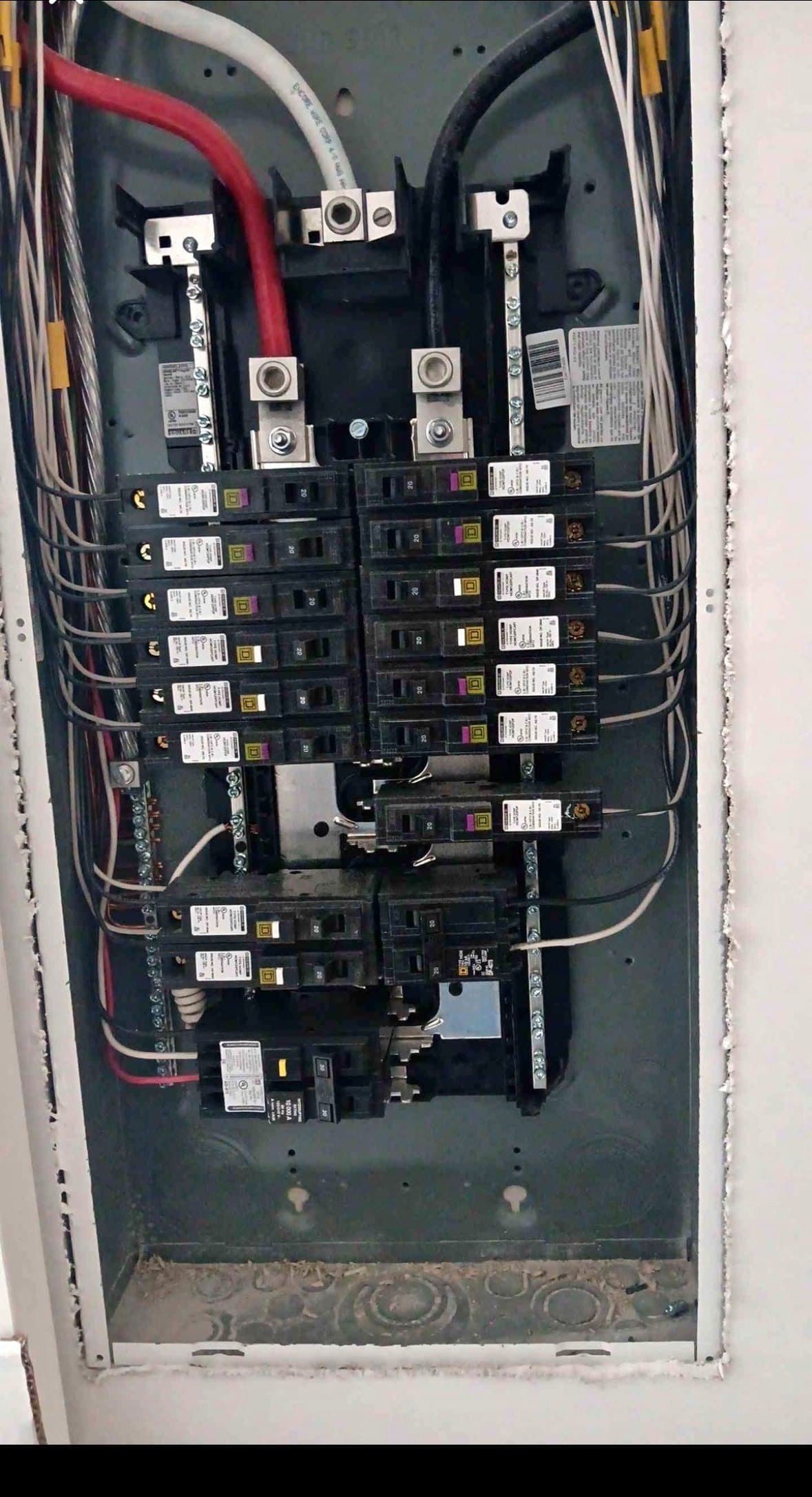
| The panel | The new panel and one breaker per circuit | The number of circuits, and the special protection (arc-fault, GFCI) for circuits added or modified |
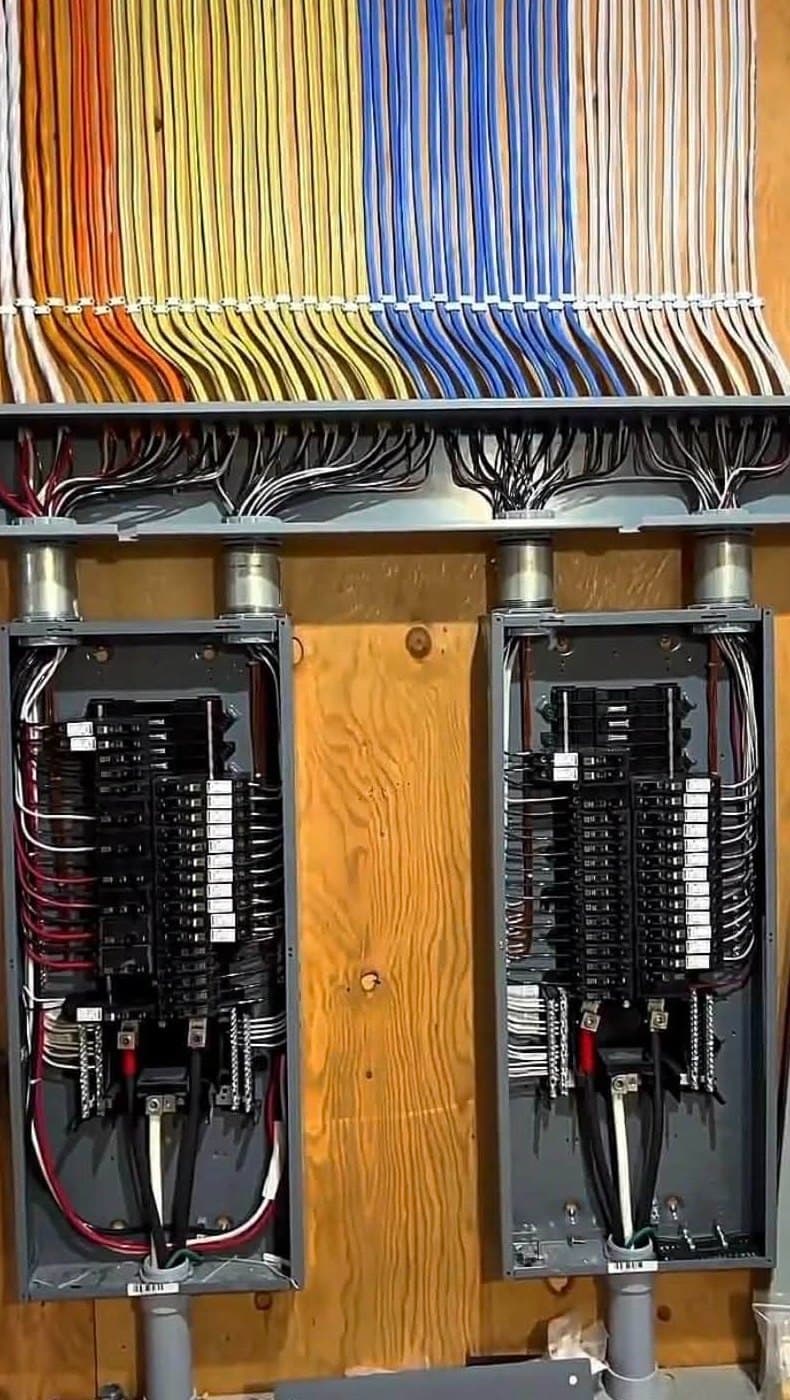
| Transferring the circuits | Reconnecting, checking and labelling each circuit | The number of circuits, the condition and length of the wires |
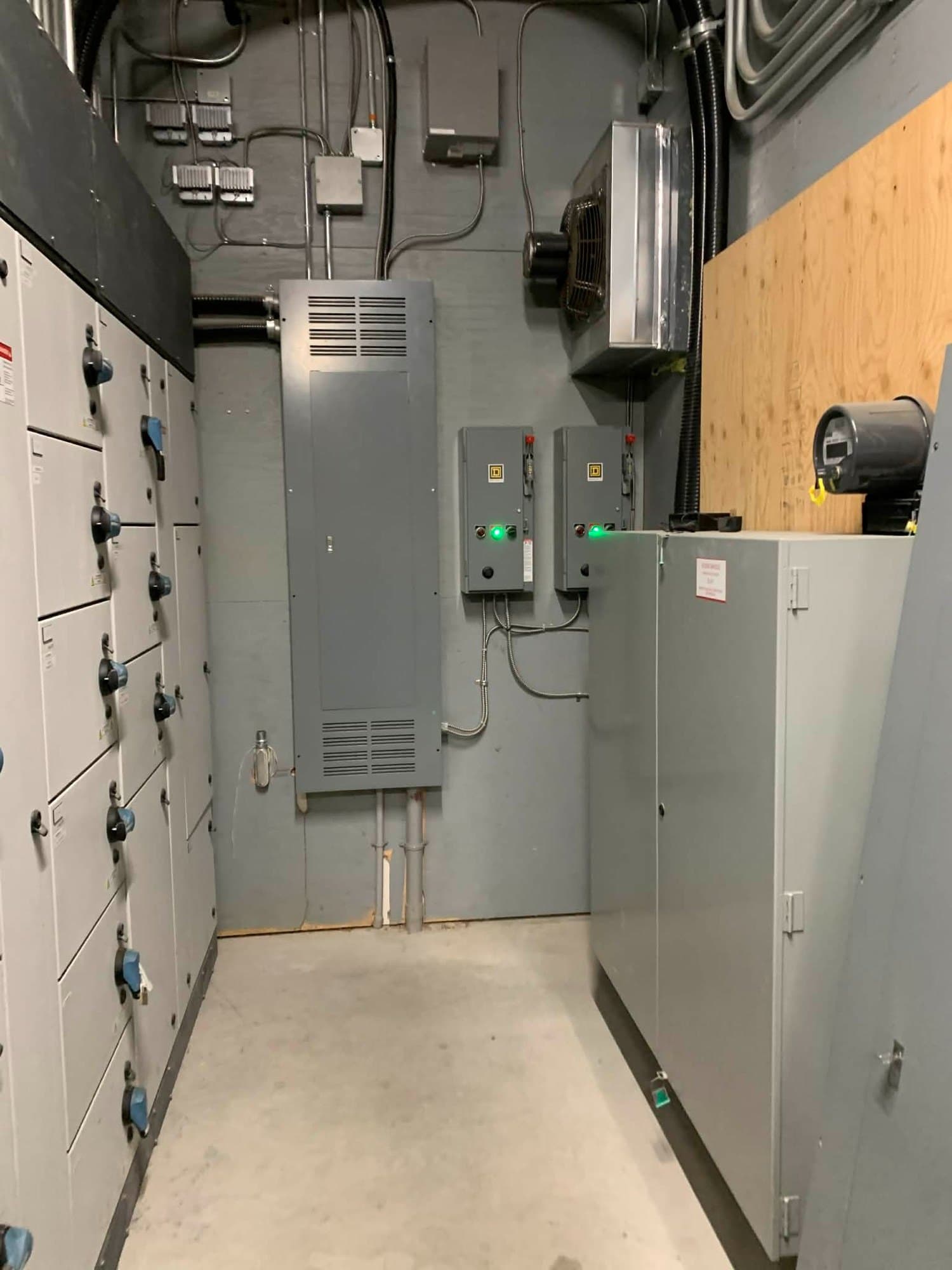
| The electrical service | The mast, the cable, the meter base, the grounding | Their age and rating, and an upgrade to 200 A |
| Coordination with the utility | The shutoff and the reconnection | Your utility and its conditions of service |
| Work around it | Opening or closing a wall, moving the panel | Access to the panel, a finished basement |
| Testing and declaration | Checking each circuit and the declaration of work required in Québec | The number of circuits |
The five factors that make the price vary
1. The condition of the electrical service
The mast, the cable and the meter base age. If they are worn or too small for the capacity you want, they are redone with the panel: it is one of the factors that weigh the most.
2. The distance between the meter and the panel
The farther the panel is from the meter, the more cable and work. Moving the panel also changes the route.
3. The number of circuits to transfer
Each circuit is reconnected, checked and labelled in the new panel. A house with thirty circuits takes longer than one with fifteen, and damaged or short wires add work.
4. The circuits added
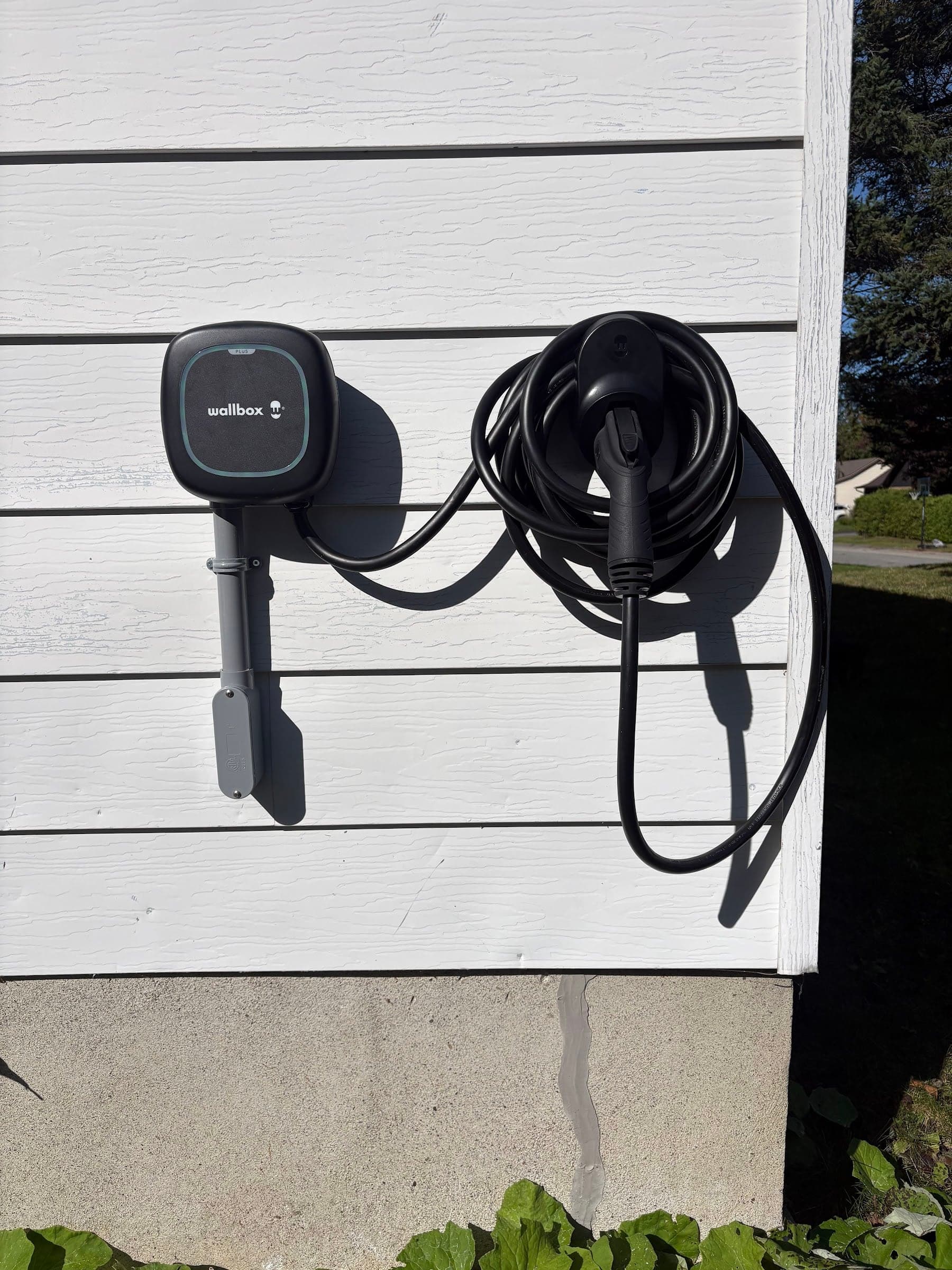
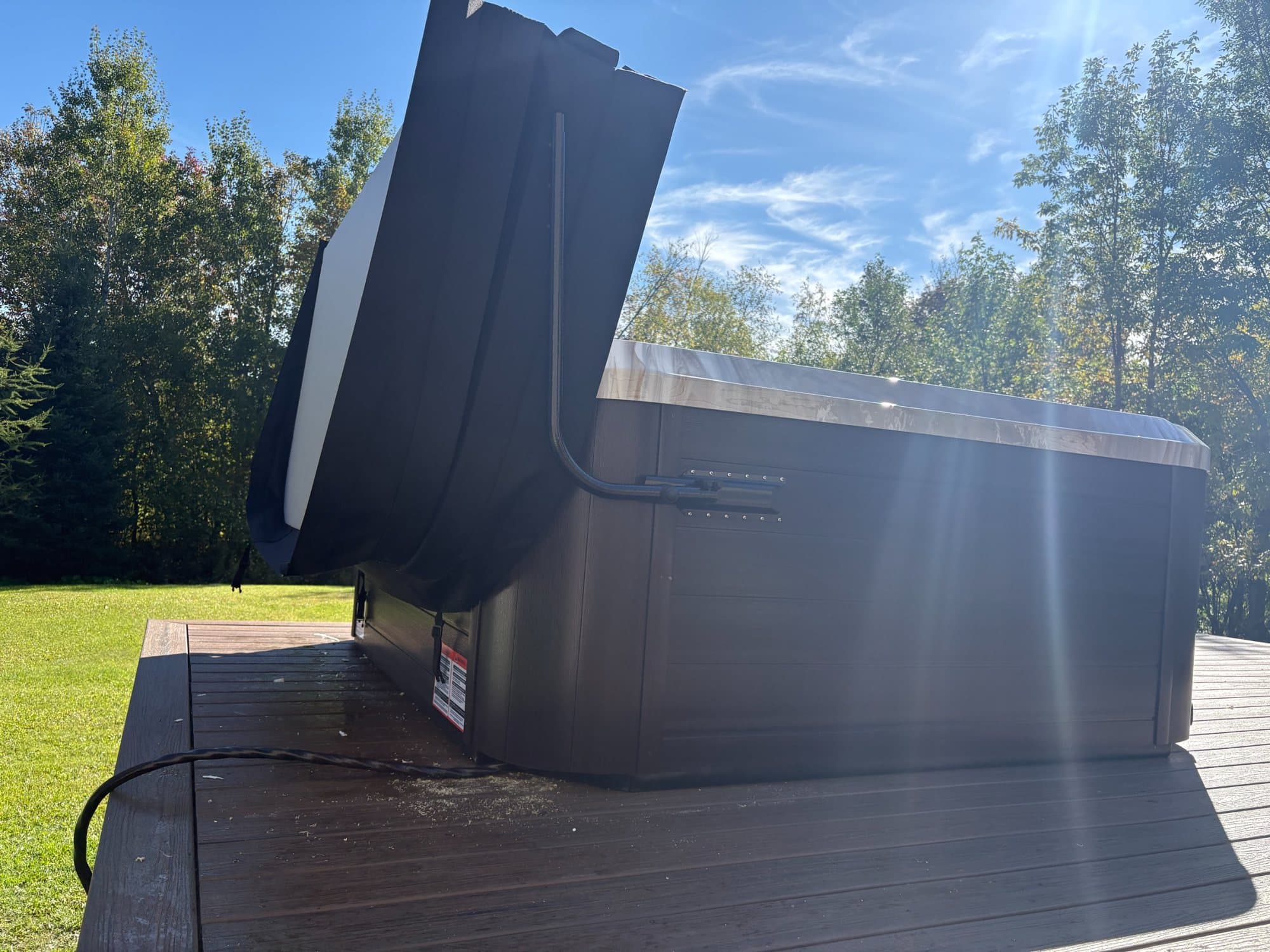
An EV charger, a heat pump, a hot tub or a workshop each add a dedicated circuit, and sometimes an upgrade to 200 A. The right time to plan them is the panel replacement: you avoid redoing the service twice.
5. Access to the panel
A panel recessed in a finished basement, a wall to open or a cluttered space add finishing work.
100 A or 200 A: the load calculation decides
The load calculation adds up what the house draws from the grid, according to the Code’s rules. There are three possible results:
- It fits: you keep 100 A, and the new panel is enough.
- It fits with help: a sub-panel for space, or load management that reduces the charger when the house is drawing a lot.
- It doesn’t fit: an upgrade to 200 A, coordinated with your utility.
Cases we often see
| Situation | What we look at first | What is often added |
|---|---|---|
| A fuse panel | Capacity, the condition of the fuse holders, the insurer’s letter | A breaker panel, sometimes the service |
| A house from 1965 to 1975 | Aluminum wiring and its connections | CO/ALR devices and compatible connectors |
| A 100 A service with a charger in view | The load calculation | Load management, a sub-panel or an upgrade to 200 A |
| An electrically heated house on 100 A | The heating load | For a 48 A charger or a central heat pump with backup: often load management or an upgrade to 200 A |
| A panel with no free space | The actual service capacity | A sub-panel, if capacity allows |
What the Code requires, and what it doesn’t
According to the RBQ, when only a device is replaced (an outlet, a switch), a requirement aimed at the circuit, such as arc-fault or GFCI, doesn’t apply to the circuit as a result; if the circuit is modified or extended, the new part must be protected. Under the 2026 Code, when outlets are added to an existing circuit without arc-fault protection, an arc-fault outlet installed as the first added outlet is enough. What the Code requires for your circuits when the panel is replaced, we tell you in the quote. See also our guide on the 2026 Code.
Comparing two quotes
Two prices only compare if the quotes cover the same thing. According to the CMEQ, a written contract is your main protection: lump sum (the price is set in advance) or hourly (an agreed rate plus materials). Check:
- the scope: the panel only, or the service too;
- the number of circuits transferred and the circuits added;
- the protection included (arc-fault, GFCI);
- coordination with the utility, and what remains payable to the utility;
- testing and the declaration of work;
- the schedule, the rate for extra work and the payment terms;
- the contractor’s licence (subclass 16, CMEQ), to check in the CMEQ directory or the RBQ register.
Preparing for the estimate
With a few photos, the estimate goes quickly:
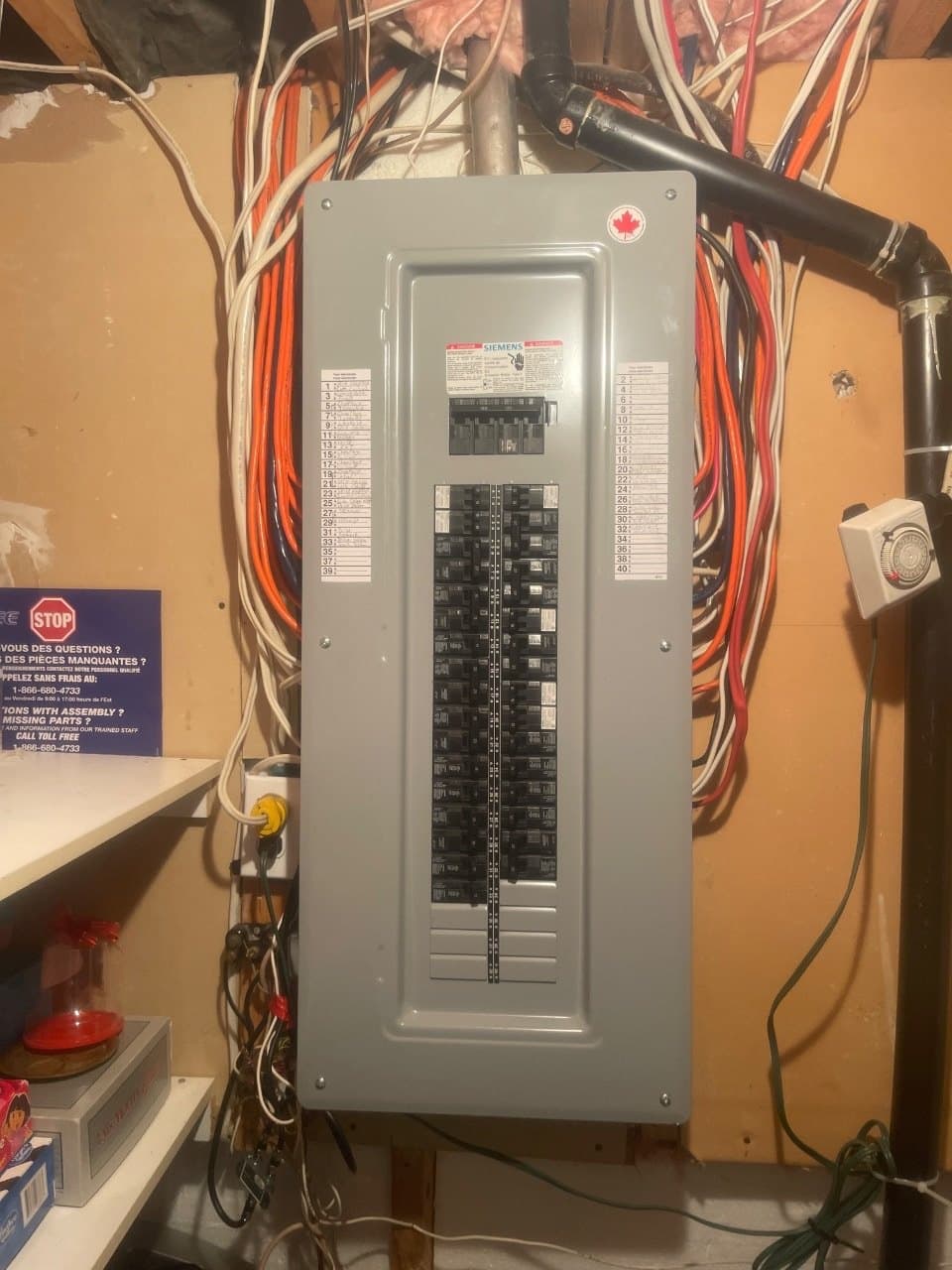
- the panel with the door open, without removing the inner cover;
- the main breaker label (100 A, 200 A);
- the meter and the mast, from outside;
- the list of large appliances and those you plan (charger, heat pump, hot tub);
- the insurer’s letter, if there is one.
With LTE Électrique
- Free estimate within 24 hours, often from your photos.
- Price announced in advance, fixed or hourly depending on the project; anything unexpected is done only with your approval.
- Quote signed online, and work usually starts less than a week after you approve, depending on the project.
- Siemens, Schneider (Square D) or Eaton panels.
- 2-year labour warranty, a clear invoice payable online, financing available through iFinance.
Frequently asked questions
- Why no prices on the website?
- Because every installation is different: a posted price would be wrong for most houses. We announce it in advance, fixed or hourly depending on the project, after the estimate, which is free and within 24 hours.
- How long will I be without power?
- The shutoff lasts as long as the replacement. When the service changes too, it is coordinated with the utility. The duration is stated in the quote.
- Should I upgrade to 200 A at the same time?
- Not always: the load calculation tells. If you are planning an EV charger, a heat pump or a hot tub, now is the time to think about it, because the service is only redone once.
- Do all my circuits need arc-fault protection?
- It depends on the work. According to the RBQ, replacing only a device doesn’t require protecting the whole circuit, but the part of a circuit that is modified or extended must be. We specify in the quote what the Code requires for your circuits.
- Does the utility charge anything?
- When the electrical service changes, the shutoff and reconnection are coordinated with the utility. For a connection or a modification, Hydro-Québec says the customer pays the applicable fees.
- My insurer requires a replacement: what should I do?
- Bring their letter to the estimate: the quote answers it point by point, and after the work you get the documents to give them.
- Can I do part of the work myself?
- No. According to the RBQ, work on an electrical installation must always be done by a contractor holding the appropriate licence, even in your own home.
- Can a sub-panel avoid replacing the panel?
- Yes, if space is the main problem and the service capacity is enough: the load calculation tells. A sub-panel adds no capacity to the service.
- Is there a grant for replacing a panel?
- For a house, no program on our Rebates page covers the panel itself. For an apartment building preparing its parking for charging, Écorecharge can cover 50% of the electrical upgrade, up to $120,000 per building.
- Which panel brands do you install?
- Mainly Siemens, Schneider (Square D) and Eaton panels.
Sources
- Remplacement d’appareillages électriques dans une installation existante, Régie du bâtiment du Québec, checked on October 20, 2026
- Cahier explicatif sur les principaux changements au chapitre V, Électricité (édition 2026)PDF, Régie du bâtiment du Québec, checked on October 20, 2026
- Branchement, déplacement ou prolongement du réseau, Hydro-Québec, checked on October 20, 2026
- Comment choisir un entrepreneur électricien, Corporation des maîtres électriciens du Québec, checked on October 20, 2026
- Registre des détenteurs de licence, Régie du bâtiment du Québec, checked on October 20, 2026
About this guide
Written by LTE Électrique, a master electrician’s business in Sherbrooke (RBQ licence 5874-5597-01, CMEQ member). Every rule comes from Québec’s Construction Code or an official source, listed above with the date it was checked. French version reviewed by William Letendre, master electrician, on October 20, 2026.
About usCite this guide
To cite this guide, use its title, author and address:
“Replacing your electrical panel: what drives the cost”, LTE Électrique, https://www.lteelectrique.com/en/guides/panel-replacement-what-drives-the-cost, French version reviewed by William Letendre, master electrician, on October 20, 2026.