

In short
- Never a double male-ended cable or a connection through a wall outlet: the power flows back into the grid.
- To power the house, you need a transfer switch or an interlock, installed by a master electrician.
- According to Hydro-Québec, the master electrician declares the permanent installation to Hydro-Québec and checks that it isolates the house from the grid.
- The generator always runs outside, away from doors, windows and air intakes, never in a garage, even with the door partly open.
- The essential circuits are chosen according to the generator’s output, counting motor starts.
In this guide
Why never through an outlet
A double male-ended cable sends the generator’s power into the house wiring and, through the meter, into the utility’s network. Line workers repairing the line believe it’s dead. It’s also a fire and shock hazard in your home. No exceptions.
Temporary or permanent: two ways to do it
| Temporary setup | Permanent installation | |
|---|---|---|
| Examples | Portable generator, portable battery | Standby generator with transfer switch, battery system |
| Connection | None to the panel: appliances plug directly into it | Integrated into the panel, with a device that isolates the house from the grid |
| Who installs it | You, following the manufacturer’s instructions | A member of the Corporation des maîtres électriciens du Québec |
For a permanent installation, Hydro-Québec asks you to have the master electrician install a compliant transfer switch, declare the installation to Hydro-Québec and check that the system fully isolates the house from the grid during an outage.
The three devices
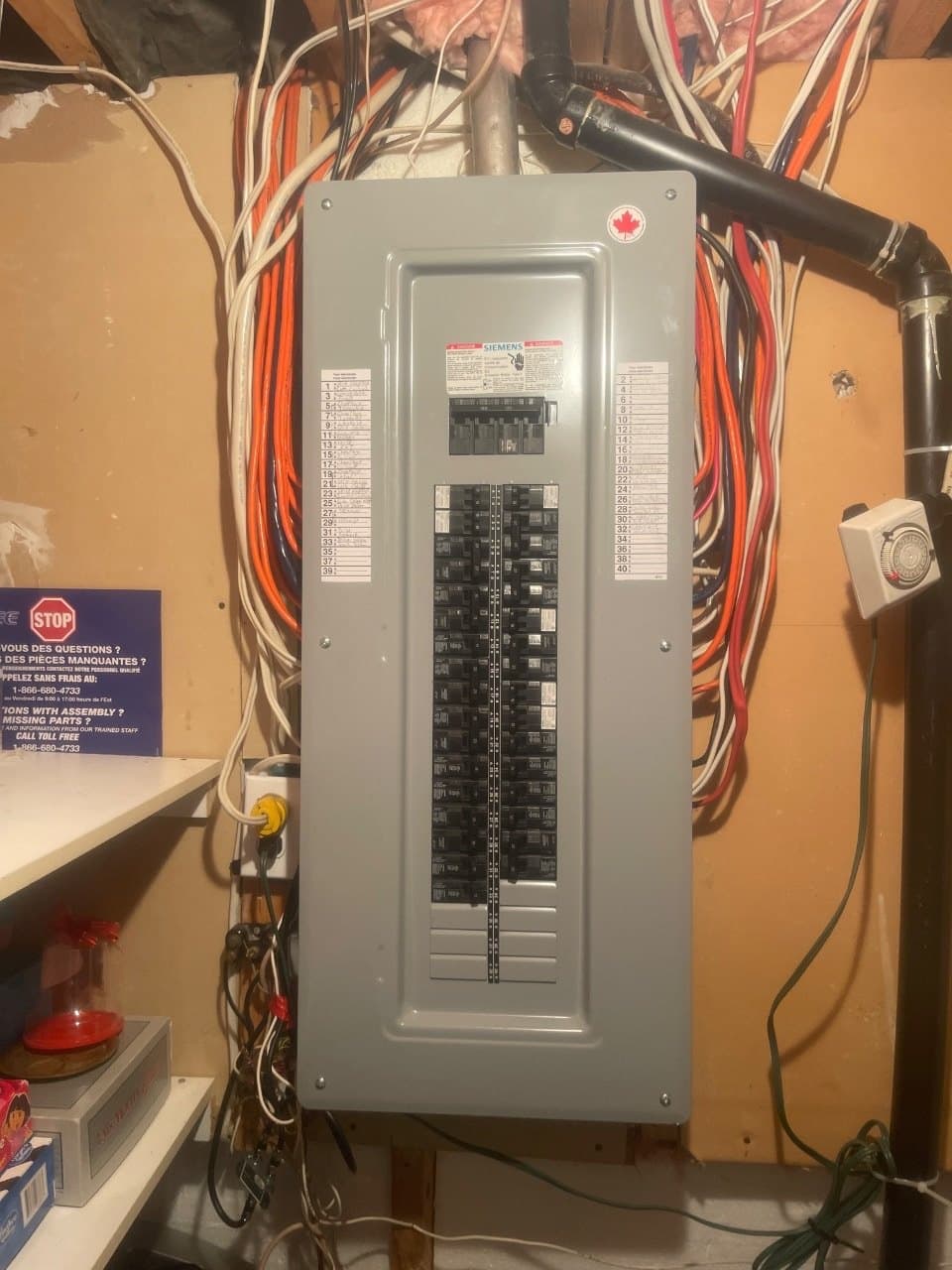
- The panel interlock: a mechanical part that prevents the main breaker and the generator breaker from being on at the same time. Simple and economical, if your panel is compatible.
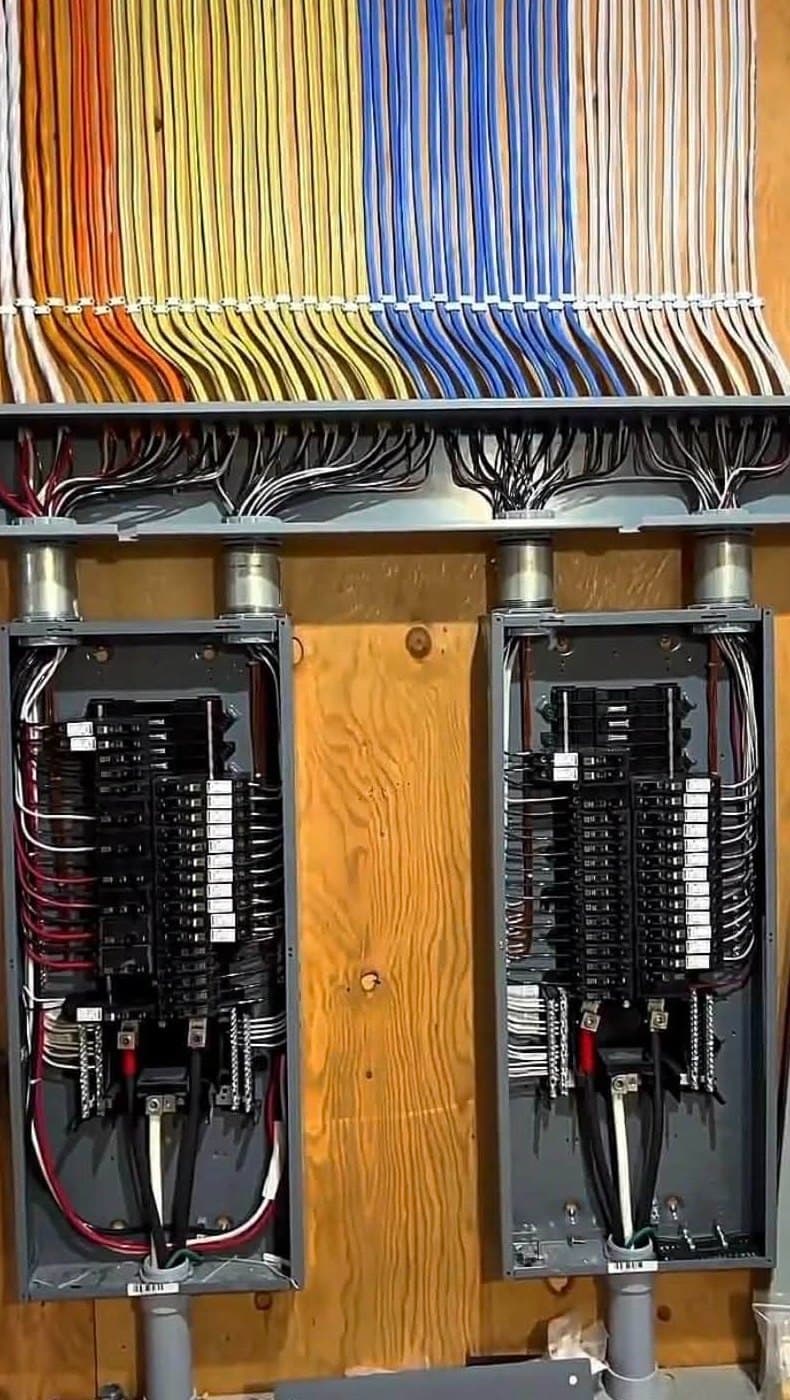
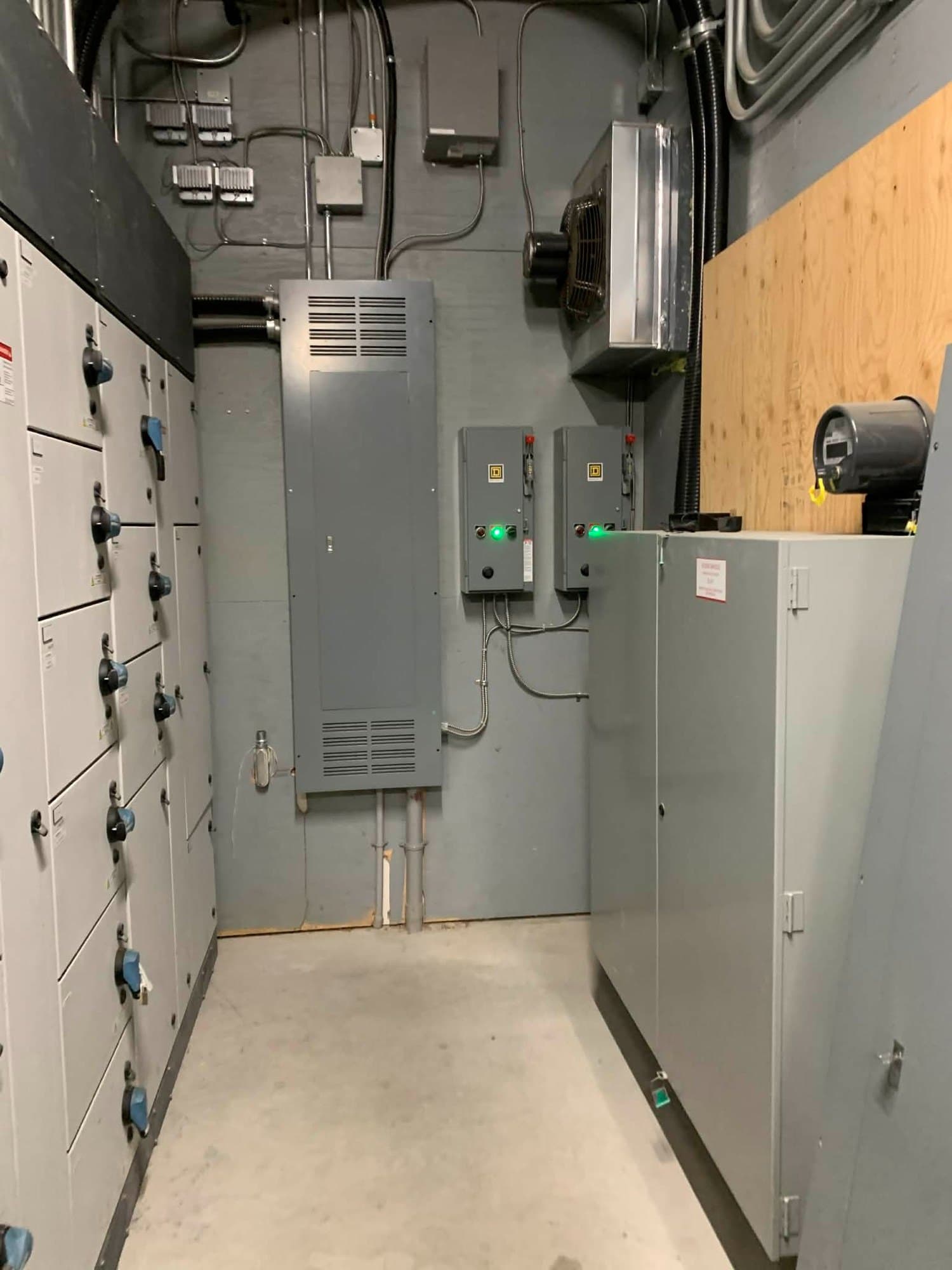
- The manual transfer switch: a small panel next to yours, with the essential circuits. You switch each circuit over to the generator.
- The automatic transfer switch: for a standby generator. The house restarts by itself, and goes back to the grid when power returns.
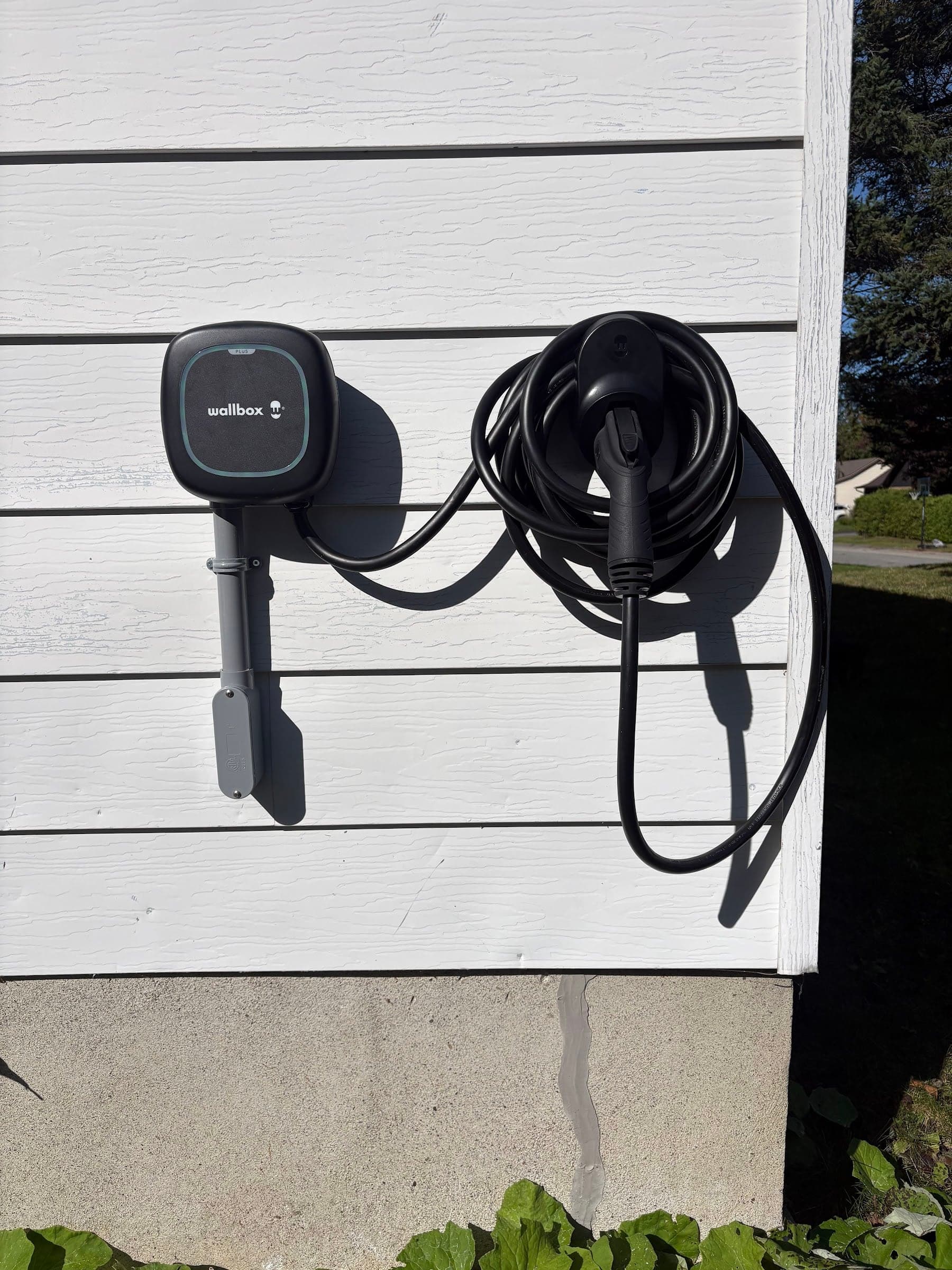
In all three cases, an outdoor power inlet receives the portable generator’s cable, outside, away from windows.
Without an installation: plug appliances in directly
If you don’t have a transfer switch, Hydro-Québec gives the steps:
- plug the appliances directly into the generator or battery;
- use heavy-duty extension cords, certified for outdoor use and rated for the current;
- never a male-to-male adapter, never a wall outlet, never a direct connection to the panel.
Undersized cords can overheat and cause a fire or a shock.
Always outside
Gasoline and gas generators produce carbon monoxide, an invisible, odourless gas. Hydro-Québec says to set them up outside, in an open, well-ventilated spot, away from doors, windows and air intakes, and never indoors, even in a garage with the door partly open: poisoning can be fatal within minutes. A carbon monoxide alarm in the house is one more good protection; see Smoke and carbon monoxide alarms.
Portable or standby
- Portable (gasoline or propane): less expensive, to take out and start yourself, to place outside, never in the garage.
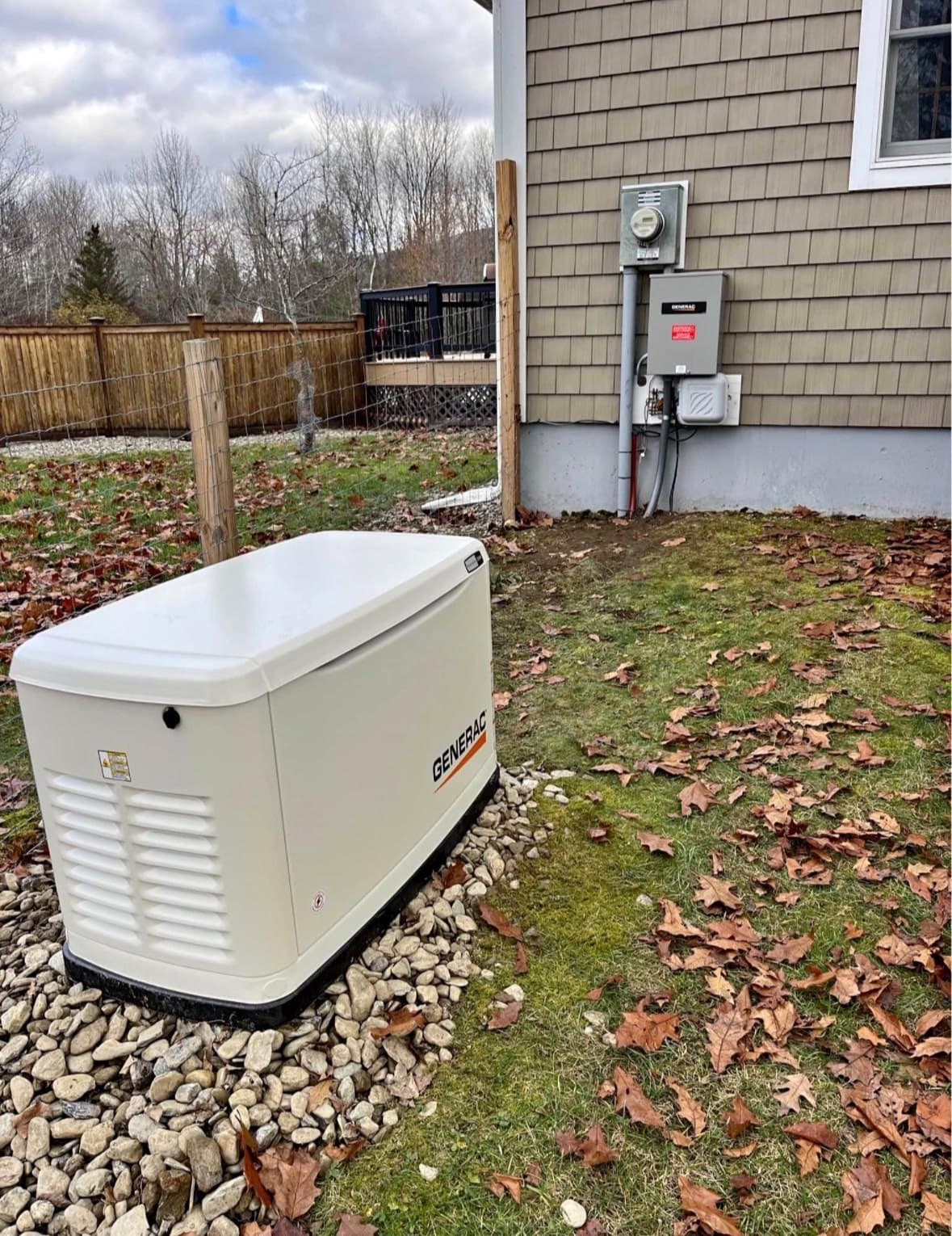
- Standby (propane or natural gas): installed on a pad, starts by itself, regular maintenance, coordination with the gas supplier.
Choosing the essential circuits
Backup heat, well or sump pump, fridge and freezer, a few outlets, lighting, the modem. Motors (pumps, fridge, furnace) draw more when starting: we take that into account in choosing the generator. Central electric heating and a heat pump often exceed a portable unit.
Our What size generator do you need? tool adds up your appliances’ watts, starting included, based on Honda Canada’s wattage guide.
The outage procedure
- Turn off the main breaker, or flip the transfer switch.
- Connect the generator to the inlet, outside.
- Start it, then turn on the generator breaker.
- When power returns: the reverse. We walk through the procedure with you at handover.
During the outage itself, see also our outage instructions.
With LTE Électrique
We install the interlock, the manual or automatic transfer switch and the outdoor power inlet, and we choose the essential circuits with you based on your generator. The price is announced in advance, fixed or hourly depending on the project, and labour is guaranteed for 2 years. Send us a photo of the panel and the generator model: the estimate is free, within 24 hours.
Frequently asked questions
- What size of generator do I need?
- We add up the essential circuits and the motor starts (pump, fridge, furnace). We do that calculation with you before you buy.
- Can the whole house be powered?
- With a properly sized standby generator and an automatic transfer switch, yes. With a portable one, the essential circuits are powered.
- Can the generator stay in the garage?
- Never while running: carbon monoxide kills. It runs outside, away from windows and doors. That’s what the outdoor inlet is for.
- Without an installation, how do I use a portable generator?
- According to Hydro-Québec: plug the appliances directly into the generator, with heavy-duty extension cords certified for outdoor use and of sufficient rating. Never a male-to-male adapter, never a wall outlet, never a direct connection to the panel.
- Who must install the transfer switch?
- According to Hydro-Québec, any permanent installation must be done by a member of the Corporation des maîtres électriciens du Québec, who installs a compliant transfer switch, declares the installation to Hydro-Québec and checks that it fully isolates the house from the grid.
- What about a backup battery?
- Hydro-Québec treats it like a generator: a portable battery powers the appliances plugged directly into it; a battery system that powers the house is a permanent installation, done by a master electrician with a device that isolates the house from the grid.
- The grid comes back: what do I do?
- Do the procedure in reverse: turn off the generator breaker, stop it, unplug it from the inlet, then turn the main breaker back on or switch the transfer switch back to the grid. With an automatic transfer switch, it happens by itself.
- Can my heat pump run on the generator?
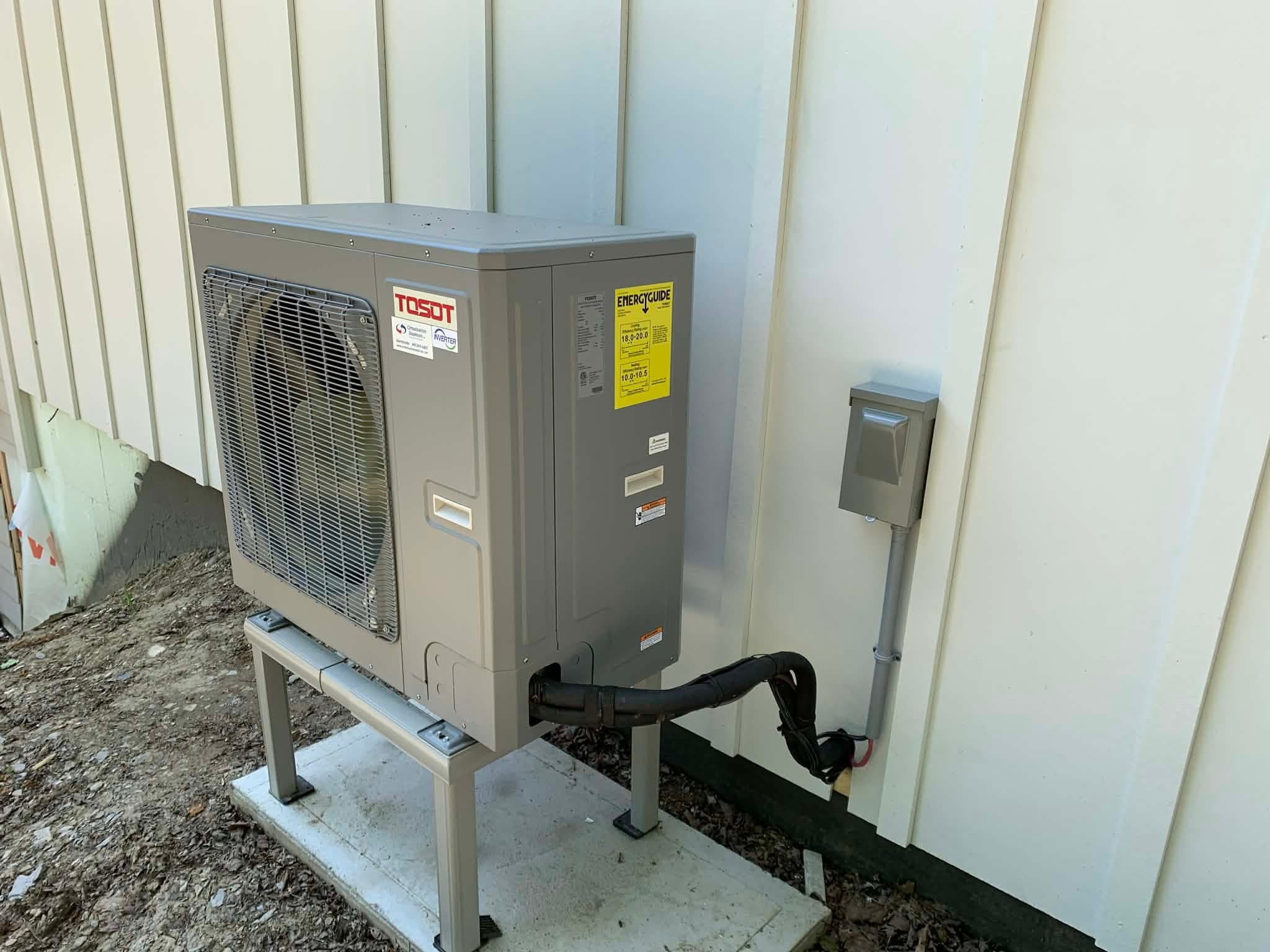
- Often not with a portable unit: central electric heating and a heat pump frequently exceed its output. We check the unit’s nameplate and the generator’s output before putting them on the same transfer switch.
Sources
- Alimentation de secours : trois règles clés pour une utilisation sans risque, Hydro-Québec, checked on October 21, 2026
- Renseignements sur la sécurité des génératrices : guide de puissance en wattsPDF, Honda Canada, checked on October 21, 2026
About this guide
Written by LTE Électrique, a master electrician’s business in Sherbrooke (RBQ licence 5874-5597-01, CMEQ member). Every rule comes from Québec’s Construction Code or an official source, listed above with the date it was checked. French version reviewed by William Letendre, master electrician, on October 21, 2026.
About usCite this guide
To cite this guide, use its title, author and address:
“Generators and transfer switches: powering your house safely during an outage”, LTE Électrique, https://www.lteelectrique.com/en/guides/generator-transfer-switch, French version reviewed by William Letendre, master electrician, on October 21, 2026.